
本书简介
安娜与沃伦斯基的恋情撞上卡列宁的婚姻与社会,列文在乡间追问活着的意义。1919 年加内特英译插图本,全文免费在线阅读。
CHAPTER VII
Vronsky and Anna had been traveling for three months together in Europe. They had visited Venice, Rome, and Naples, and had just arrived at a small Italian town where they meant to stay some time. A handsome head waiter, with thick pomaded hair parted from the neck upwards, an evening coat, broad white cambric shirt-front, and a bunch of trinkets hanging above his rounded stomach, stood with his hands in a full curve of his pockets, looking contemptuously from under his eyelids while he gave some frigid reply to a gentleman who had stopped him. Catching the sound of footsteps running from the other side of the entry towards the staircase, the head waiter turned round, and seeing the Russian count, who had taken their best rooms, he took his hands out of his pockets deferentially, and with a bow informed him that a courier had been, and that the business about the palazzo had been arranged. The steward was prepared to sign the agreement.
“Ah! I’m glad to hear it,” said Vronsky. “Is madame at home or not?”
“Madame has been out for a walk but has returned now,” answered the waiter.
Vronsky took off his soft wide-brimmed hat and passed his handkerchief over his heated brow and hair, which had grown half over his ears, and was brushed back covering the bald patch on his head. And glancing casually at the gentleman, who still stood there gazing intently at him, he would have gone on.
“This gentleman is a Russian, and was inquiring after you,” said the head waiter.
With mingled feelings of annoyance at never being able to get away from acquaintances anywhere, and longing to find some sort of diversion from the monotony of his life, Vronsky looked once more at the gentleman, who had retreated and stood still again, and at the same moment a light came into the eyes of both.
“Golenishtchev!”
“Vronsky!”
It really was Golenishtchev, a comrade of Vronsky’s in the Corps of Pages. In the corps Golenishtchev had belonged to the liberal party; he left the corps without entering the army, and had never taken office under the government. Vronsky and he had gone completely different ways on leaving the corps, and had only met once since.
At that meeting Vronsky perceived that Golenishtchev had taken up a sort of lofty intellectually liberal line, and was consequently disposed to look down upon Vronsky’s interests and calling in life. Hence Vronsky had met him with the chilling and haughty manner he so well knew how to assume, the meaning of which was: “You may like or dislike my way of life, that’s a matter of the most perfect indifference to me; you will have to treat me with respect, if you want to know me.”
Golenishtchev had been contemptuously indifferent to the tone taken by Vronsky. This second meeting might have been expected, one would have supposed, to estrange them still more. But now they beamed and exclaimed with delight on recognizing one another. Vronsky would never have expected to be so pleased to see Golenishtchev, but probably he was not himself aware how bored he was. He forgot the disagreeable impression of their last meeting, and with a face of frank delight held out his hand to his old comrade. The same expression of delight replaced the look of uneasiness on Golenishtchev’s face.
“How glad I am to meet you!” said Vronsky, showing his strong white teeth in a friendly smile.
“I heard the name Vronsky, but I didn’t know which one. I’m very, very glad!”
“Let’s go in. Come, tell me what you’re doing.”
“I’ve been living here for two years. I’m working.”
“Ah!” said Vronsky with sympathy; “let’s go in.” And with the habit common with Russians, instead of saying in Russian what he wanted to keep from the servants, he began to speak in French.
“Do you know Madame Karenina? We are traveling together. I am going to see her now,” he said in French, carefully scrutinizing Golenishtchev’s face.
“Ah! I did not know” (though he did know), Golenishtchev answered carelessly. “Have you been here long?” he added.
“Four days,” Vronsky answered once more, scrutinizing his friend’s face intently.
“Yes, he’s a decent fellow, and will look at the thing properly,” Vronsky said to himself, catching the significance of Golenishtchev’s face and the change of subject. “I can produce him to Anna, he looks at it properly.”
During those three months that Vronsky had spent abroad with Anna, he had always on meeting new people asked himself how the new person would look at his relations with Anna, and for the most part, in men, he had met with the “proper” way of looking at it. But if he had been asked, and those who looked at it “properly” had been asked, exactly how they did look at it, both he and they would have been greatly puzzled to answer.
In reality, those who in Vronsky’s opinion had the “proper” view had no sort of view at all, but behaved in general as well-bred persons do behave in regard to all the complex and insoluble problems with which life is encompassed on all sides; they behaved with propriety, avoiding allusions and unpleasant questions. They assumed an air of fully comprehending the import and force of the situation, of accepting and even approving of it, but of considering it superfluous and uncalled for to put all this into words.
Vronsky at once divined that Golenishtchev was of this class and therefore was doubly pleased to see him. And in fact Golenishtchev’s manner to Madame Karenina, when he was taken to call on her, was all that Vronsky could have desired. Obviously without the slightest effort he steered clear of all subjects which might lead to embarrassment.
He had never met Anna before, and was struck by her beauty, and still more by the frankness with which she accepted her position. She blushed when Vronsky brought in Golenishtchev, and he was extremely charmed by this childish blush overspreading her candid and handsome face. But what he liked particularly was the way in which at once, as though on purpose that there might be no misunderstanding with an outsider, she called Vronsky simply Alexey, and said they were moving into a house they had just taken, what was here called a palazzo. Golenishtchev liked this direct and simple attitude to her own position. Looking at Anna’s manner of simple-hearted, spirited gaiety, and knowing Alexey Alexandrovitch and Vronsky, Golenishtchev fancied that he understood her perfectly. He fancied that he understood what she was utterly unable to understand: how it was that, having made her husband wretched, having abandoned him and her son and lost her good name, she yet felt full of spirits, gaiety and happiness.
“It’s in the guide-book,” said Golenishtchev, referring to the palazzo Vronsky had taken. “There’s a first-rate Tintoretto there. One of his latest period.”
“I tell you what: it’s a lovely day, let’s go and have another look at it,” said Vronsky, addressing Anna.
“I shall be very glad to; I’ll go and put on my hat. Would you say it’s hot?” she said, stopping short in the doorway and looking inquiringly at Vronsky. And again a vivid flush overspread her face.
Vronsky saw from her eyes that she did not know on what terms he cared to be with Golenishtchev, and so was afraid of not behaving as he would wish.
He looked a long, tender look at her.
“No, not very,” he said.
And it seemed to her that she understood everything, most of all, that he was pleased with her; and smiling to him, she walked with her rapid step out at the door.
朋友们互相看了一眼,两个人的脸上都现出犹豫的神色,仿佛戈列尼谢夫分明很欣赏她,想要说点什么关于她的话,却又找不出适当的话来说,而弗龙斯基则既希望他这样做,又害怕他这样做。
“哦,那么,”弗龙斯基开口想引起一场随便什么谈话,“你在这里定居下来了?你还在做同样的工作吗?”他继续说下去,想起来有人告诉过他戈列尼谢夫在写什么东西。
“是的,我在写《两种原理》的第二部,”戈列尼谢夫说,因为这个问题而快活得涨红了脸,“也就是说,确切点说,我还没有在写;我在准备,收集材料。它会涉及广泛得多的范围,几乎触及所有问题。我们俄国人不愿意承认我们是拜占庭的后继者,”于是他开始长篇大论、热烈地解释他的见解。
弗龙斯基在最初一瞬间感到尴尬,因为他连《两种原理》的第一部都不知道,而作者谈起它来却当作众所周知的东西。但是当戈列尼谢夫开始陈述他的见解,而弗龙斯基即使不知道《两种原理》也能够听懂的时候,他就带着几分兴趣听他讲,因为戈列尼谢夫讲得很好。但是弗龙斯基感到吃惊和不快的是,戈列尼谢夫谈到他所热衷的题目时的那种神经质的急躁。他越讲下去,他的眼睛就越愤怒地闪闪发光;他越来越匆忙地回答想象中的反对者,他的脸色变得越来越兴奋和不安。回想起戈列尼谢夫——一个瘦削、活泼、善良而又有教养的男孩,一向在班上名列前茅——弗龙斯基弄不明白他这种急躁的原因,而且不喜欢它。他特别不喜欢的是,戈列尼谢夫,一个属于上流社会的人,竟把自己放在与一些拙劣的文人同等的地位上,而他对这些人又是恼恨和愤怒的。这值得吗?弗龙斯基不喜欢这个,然而他觉得戈列尼谢夫是不幸的,并且替他难过。不幸,几乎是精神失常,在他那富于表情的、相当漂亮的脸上看得出来,这时他甚至连安娜进来都没有注意到,还在匆忙而热烈地表达他的见解。
当安娜戴着帽子、披着斗篷走进来,她那可爱的纤手迅速地转动着阳伞,站到他身旁时,弗龙斯基怀着如释重负的心情摆脱了戈列尼谢夫那固执地紧盯着他的哀怨目光,带着一股新的爱的激情望着他那充满生命和幸福的迷人伴侣。戈列尼谢夫费力地定了定神,起初显得沮丧而阴郁,但安娜那时对人人都怀有友善之情,很快就用她直爽活泼的举止使他的精神重新振作起来。试过几个话题之后,她让他谈起了绘画,他谈得非常好,她则专注地听着。他们走到他们租下的那所房子,察看了一番。
“有一件事我非常高兴,”在回去的路上安娜对戈列尼谢夫说,“阿列克谢会有一间极好的画室。你一定要把那间屋子要下来,”她用俄语对弗龙斯基说,用的是亲昵的称呼,仿佛她看出戈列尼谢夫在他们与世隔绝的生活中会与他们亲近起来,
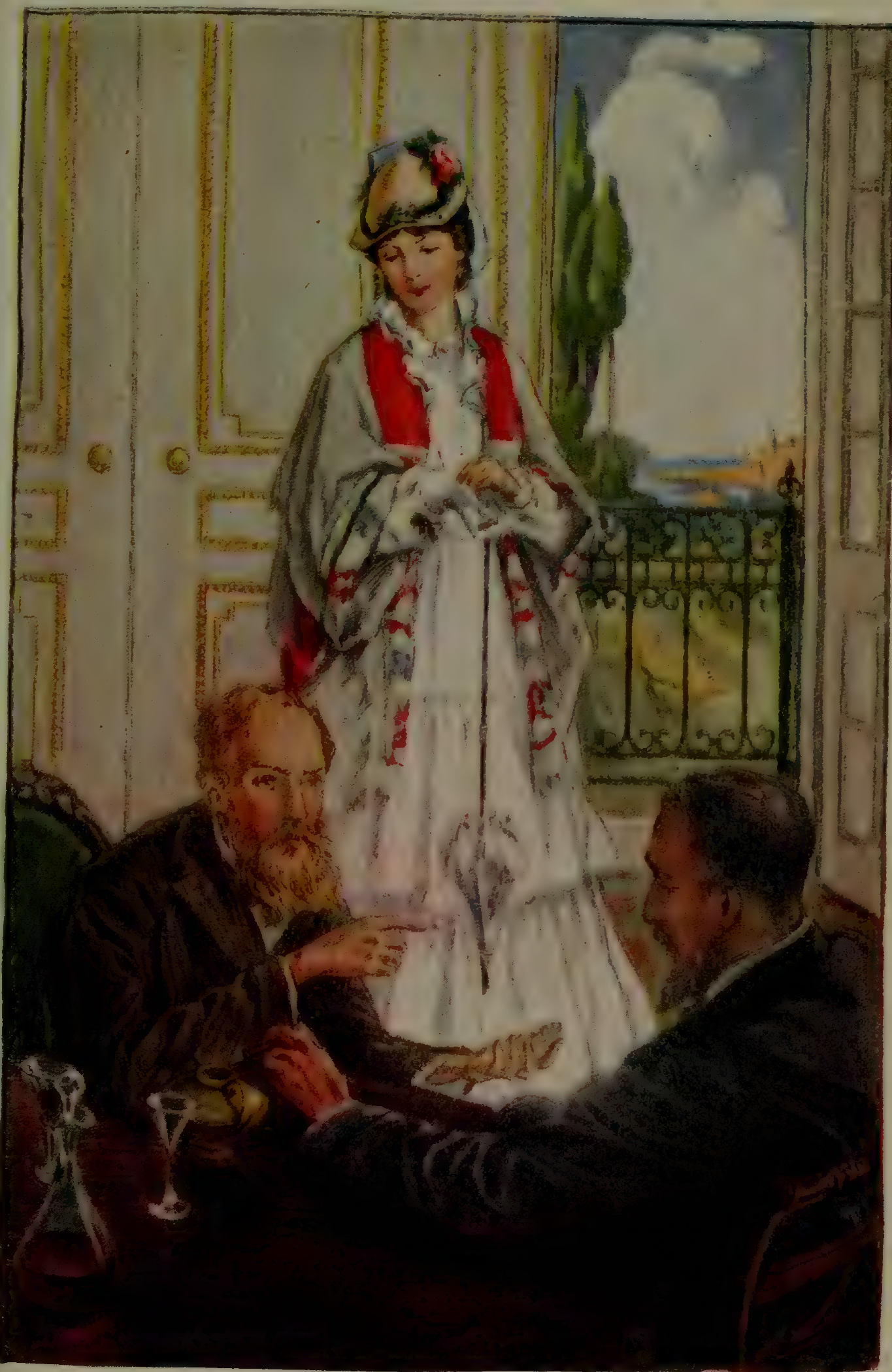

在他面前无需拘束。
“你画画吗?”戈列尼谢夫飞快地转向弗龙斯基说。
“是的,我以前学过,现在又开始画一点了,”弗龙斯基红着脸说。
“他很有才华,”安娜带着欣喜的微笑说。“我当然不是行家。但懂行的人也这么说。”