About this book
Julien Sorel climbs from sawmill to salon, torn between the red of the army and the black of the church. Stendhal's 1830 novel, free to read online.
CRUEL MOMENTS
And she does not admit it! She details even the slightest circumstances! Her eye, so beautiful, fixed on mine, paints the love she felt for another!
SCHILLER.
MADEMOISELLE de La Mole, delighted, thought only of the happiness of having been on the point of being killed. She went so far as to say to herself: He is worthy to be my master, since he was on the point of killing me. How many fine young men of society would have to be melted down together to arrive at such a movement of passion?
One must admit that he was very handsome at the moment when he climbed onto the chair to put the sword back, precisely in the picturesque position that the decorator upholsterer had given it! After all, I was not so foolish to love him.
At that instant, if some honest means of renewing their ties had presented itself, she would have seized it with pleasure. Julien, locked in his room with a double turn of the key, was a prey to the most violent despair. In his mad ideas he thought of throwing himself at her feet. If, instead of keeping hidden in a secluded place, he had wandered in the garden and in the house, so as to remain within reach of opportunities, he might perhaps in a single instant have changed his dreadful misfortune into the keenest happiness.
But the address whose absence we reproach him for would have excluded the sublime movement of seizing the sword which, at that moment, made him so handsome in the eyes of Mademoiselle de La Mole. This caprice, favorable to Julien, lasted the whole day; Mathilde formed a charming image of the brief instants during which she had loved him, and she regretted them.
In fact, she said to herself, my passion for this poor boy lasted in his eyes only from one hour after midnight, when I saw him arrive by his ladder with all his pistols in the side pocket of his coat, until eight o'clock in the morning. It was a quarter of an hour later, while hearing mass at Sainte-Valère, that I began to think he might well try to make me obey in the name of terror.
After dinner, Mademoiselle de La Mole, far from fleeing Julien, spoke to him and in a manner invited him to follow her into the garden; he obeyed. He had been lacking this trial. Mathilde yielded without suspecting it to the love she was taking up again for him. She found extreme pleasure in walking at his side; it was with curiosity that she looked at those hands which that morning had seized the sword to kill her.
:
:
After such an action, after all that had happened, there could no longer be any question of their former conversation.
Little by little, Mathilde began to speak to him with intimate confidence about the state of her heart. She found a singular voluptuousness in this kind of conversation; she came to tell him of the passing movements of enthusiasm she had felt for M. de Croisenois, for M. de Caylus...
:
::
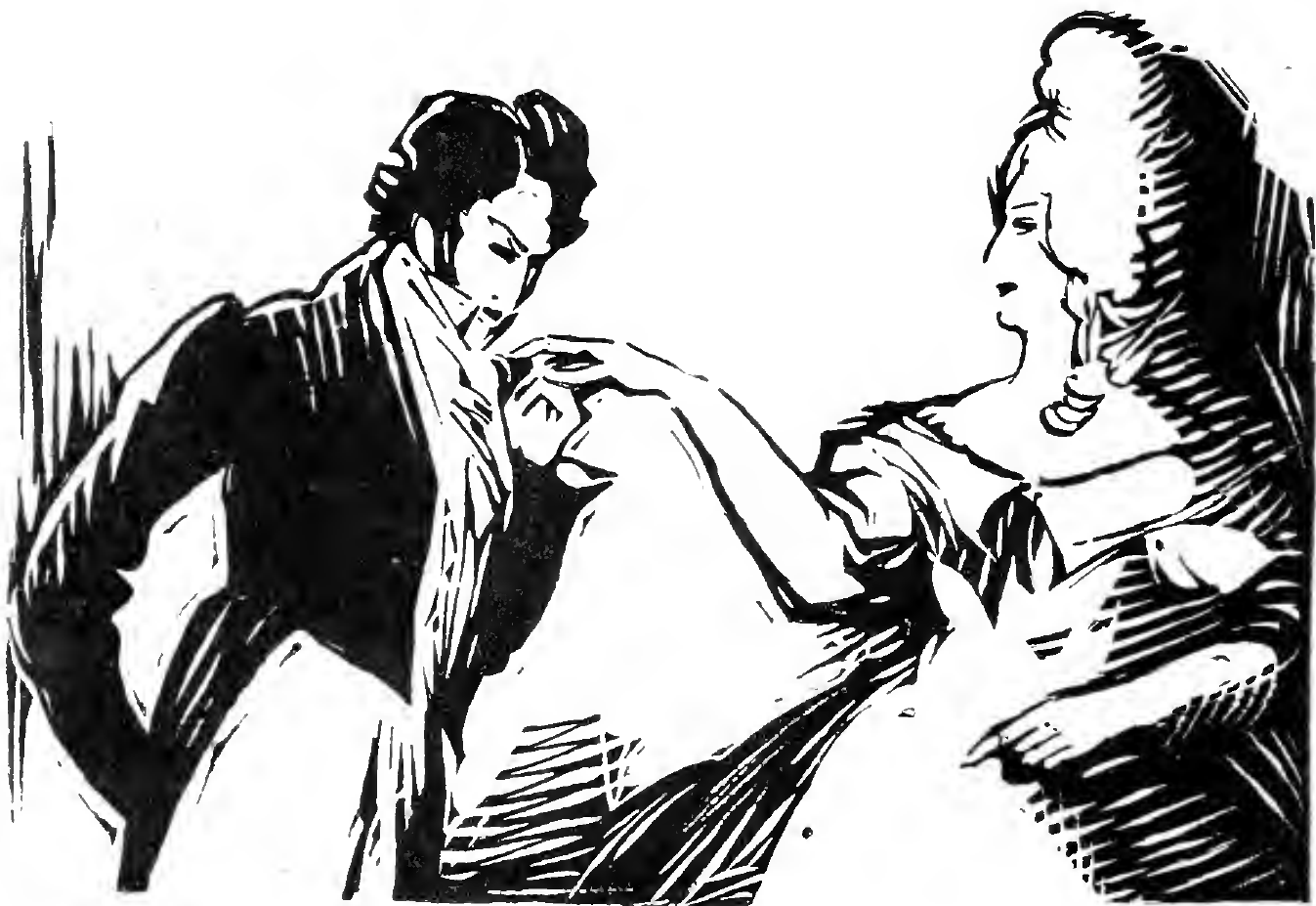
"What! for M. de Caylus too!" cried Julien; and all the bitter jealousy of a forsaken lover burst forth in that word. Mathilde judged it so, and was not offended by it.
She continued to torture Julien, detailing her former feelings to him in the most picturesque fashion, and with the accent of the most intimate truth. He saw that she was depicting what she had before her eyes. He had the grief of noticing that, as she spoke, she was making discoveries in her own heart.
The misfortune of jealousy cannot go further.
To suspect that a rival is loved is already cruel enough, but to see the love he inspires confessed in detail by the woman one adores is doubtless the height of sorrow.
Oh! how punished, in that instant, were the movements of pride that had led Julien to prefer himself to the Cayluses, the Croisenoises! With what intimate and felt misery he exaggerated their slightest advantages! With what ardent good faith he despised himself!
Mathilde seemed to him adorable; all words are weak to express the excess of his admiration. As he walked beside her, he looked furtively at her hands, her arms, her queenly bearing. He was on the point of falling at her feet, overwhelmed with love and misfortune, and crying out: Pity!
And this person so beautiful, so superior to all, who once loved me—it is M. de Caylus whom she will doubtless soon love.
Julien could not doubt the sincerity of Mademoiselle de La Mole; the accent of truth was too evident in all that she said. So that absolutely nothing should be lacking in his misfortune, there were moments when, by dint of dwelling on the feelings she had once experienced for M. de Caylus,
Mathilde came to speak of him as if she loved him at present. Certainly there was love in her accent; Julien saw it clearly.
Had the inside of his breast been flooded with molten lead, he would have suffered less. How, arrived at this excess of misfortune, could the poor boy have guessed that it was because she was speaking to him that Mademoiselle de La Mole found so much pleasure in recalling the fleeting impulses of love she had formerly felt for M. de Caylus or M. de Luz?
Nothing could express Julien's agonies. He listened to the detailed confidences of the love felt for others in that same avenue of lindens where, so few days before, he had waited for an hour to strike so as to enter her room. A human being cannot endure misfortune to a higher degree.
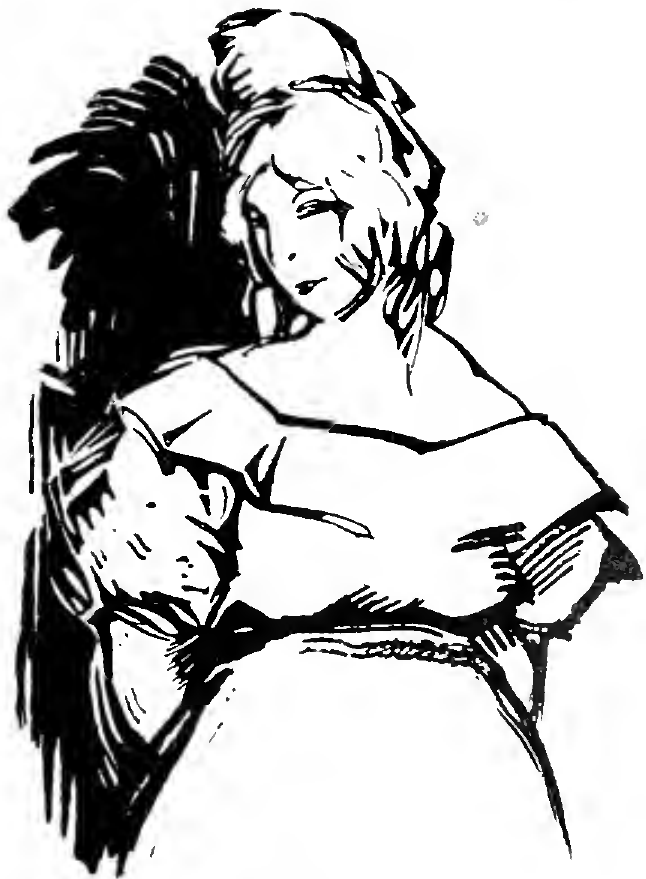
This kind of cruel intimacy lasted eight long days. Mathilde sometimes seemed to seek, sometimes did not flee, the occasions to speak to him; and the subject of conversation, to which they both seemed to return with a sort of cruel voluptuousness, was the account of the feelings she had experienced for others: she told him of the letters she had written, she recalled even the words to him, she recited whole sentences to him. The last days, she seemed to contemplate Julien with a sort of malign joy. Her sorrows were a keen enjoyment to her.
One sees that Julien had no experience of life, he had not even read novels; had he been a little less awkward, and had he said coolly to this young girl, so adored by him and who was making such strange confidences to him: Admit that although I am not worth all these gentlemen, it is nevertheless I whom you love...
One sees that Julien had no experience of life, he had not even read novels; had he been a little less awkward, and had he said coolly to this young girl, so adored by him and who was making such strange confidences to him: Admit that although I am not worth all these gentlemen, it is nevertheless I whom you love...
Perhaps she would have been happy to be guessed; at least the success would have depended entirely on the grace with which Julien had expressed this idea, and on the moment he had chosen. In any case he was getting out, and with advantage to himself, from a situation that was going to become monotonous in Mathilde's eyes.
:
"And you no longer love me, me who adores you!" Julien said to her one day, beside himself with love and misfortune. This foolish remark was about the greatest he could commit.
That word destroyed in a twinkling all the pleasure Mademoiselle de La Mole found in speaking to him of the state of her heart. She was beginning to be astonished that, after what had happened, he was not offended by her accounts; she went so far as to imagine, at the moment when this silly remark came to him, that perhaps he no longer loved her. Pride has doubtless extinguished his love, she said to herself. He is not the man to see himself with impunity preferred to beings like Caylus, de Luz, Croisenois, whom he admits to be so superior to him. No, I shall no longer see him at my feet!
In the preceding days, in the naivety of his unhappiness, Julien had often made her a sincere eulogy of the brilliant qualities of these gentlemen; he went so far as to exaggerate them. This nuance had not escaped Mademoiselle de La Mole; she was astonished by it, but did not guess its cause. Julien's frenetic soul, in praising a rival whom he believed loved, sympathized with his happiness.
His remark, so frank but so stupid, changed everything in an instant: Mathilde, sure of being loved, despised him utterly.
She was walking with him at the moment of this clumsy utterance: she left him; and her last glance expressed the most frightful contempt. Back in the drawing room, for the whole evening, she did not look at him again. The next day this contempt occupied her whole heart; there was no longer any question of the impulse which, for eight days, had made her take such pleasure in treating Julien as the most intimate friend; the sight of him was disagreeable to her. Mathilde's feeling went as far as disgust; nothing could express the excess of the contempt she felt when she encountered him before her eyes.
Julien had understood nothing of all that had happened over the past eight days in Mathilde's heart, but he discerned the contempt. He had the good sense to appear before her only as rarely as possible, and never looked at her.
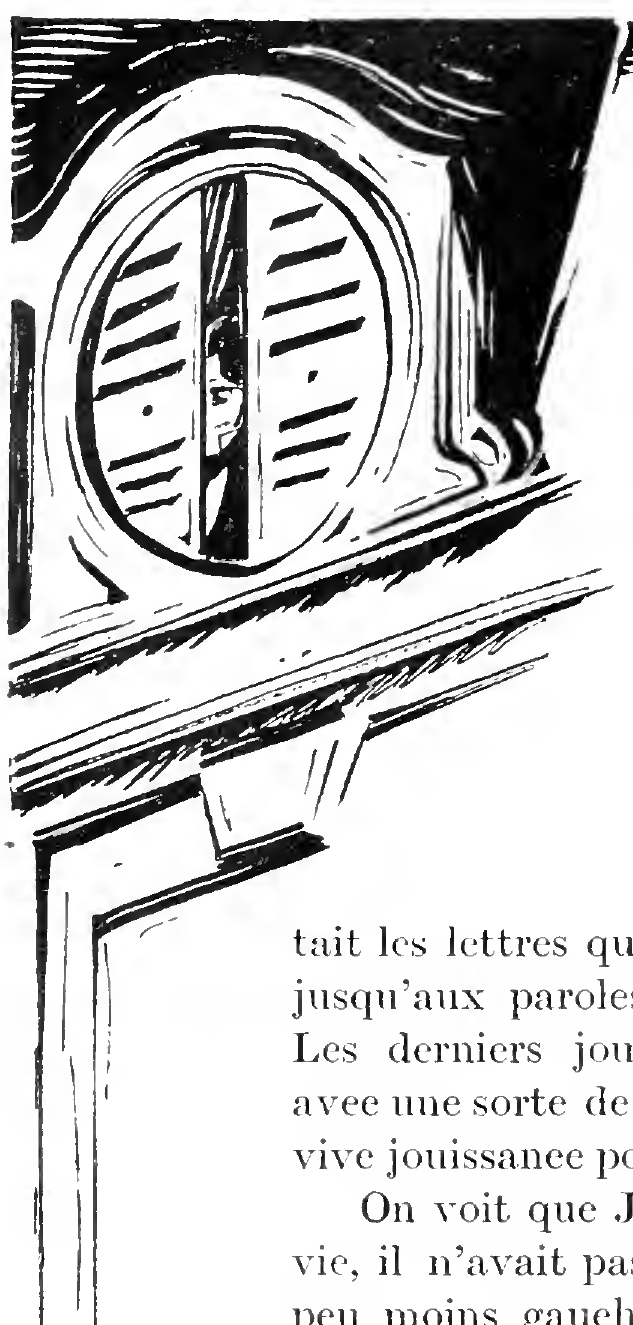
But it was not without mortal pain that he deprived himself, so to speak, of her presence. He believed he felt that his unhappiness was thereby increased still further. The courage of a man's heart can go no further, he said to himself. He spent his life at a little window in the attics of the mansion; the shutter was carefully closed, and from there at least he could catch sight of Mademoiselle de La Mole when she appeared in the garden.
What became of him when, after dinner, he saw her walking with M. de Caylus, M. de Luz, or some other for whom she had confessed to him some vague inclination of love once felt?
Julien had no idea of such intensity of unhappiness; he was on the point of uttering cries; this soul so firm was at last overturned from top to bottom.
Every thought alien to Mademoiselle de La Mole had become odious to him; he was incapable of writing even the simplest letters.
"You are mad," the Marquis said to him.
Julien, trembling at the thought of being found out, pleaded illness and managed to make himself believed. Fortunately for him, the Marquis teased him at dinner about his forthcoming journey: Mathilde understood that it might be very long. For several days now Julien had been avoiding her, and those brilliant young men who possessed everything that this pale and sombre creature, once beloved of her, lacked, no longer had the power to draw her from her reverie.
An ordinary girl, she told herself, would have sought the man she prefers among those young men who attract every eye in a drawing room; but one of the marks of genius is not to drag one's thought along the rut traced by the vulgar.
Companion of a man such as Julien, who lacks only the fortune that I possess, I shall exist continually in the spotlight, I shall not pass unnoticed in life. Far from constantly dreading a revolution like my cousins, who for fear of the people dare not scold a postillion who drives them badly, I shall be certain of playing a role, and a great role, for the man I have chosen has character and boundless ambition. What does he lack? Friends, money? I give him them. But her thought treated Julien somewhat as an inferior being, one makes oneself loved by when one wishes.