About this book
Julien Sorel climbs from sawmill to salon, torn between the red of the army and the black of the church. Stendhal's 1830 novel, free to read online.
THE COCK'S CROW
Amour in Latin makes amor; Or therefore provient from amour lu mort, And, before, souley qui mord, Grief, tears, snares, wrongs, remorse...
COAT OF ARMS OF LOVE.
If Julien had had a little of the skill he so gratuitously supposed himself to possess, he could have congratulated himself the next day on the effect produced by his journey to Verrières. His absence had made his awkwardness forgotten. That day again he was rather sullen; toward evening a ridiculous idea came to him, and he communicated it to Madame de Rênal with rare intrepidity.
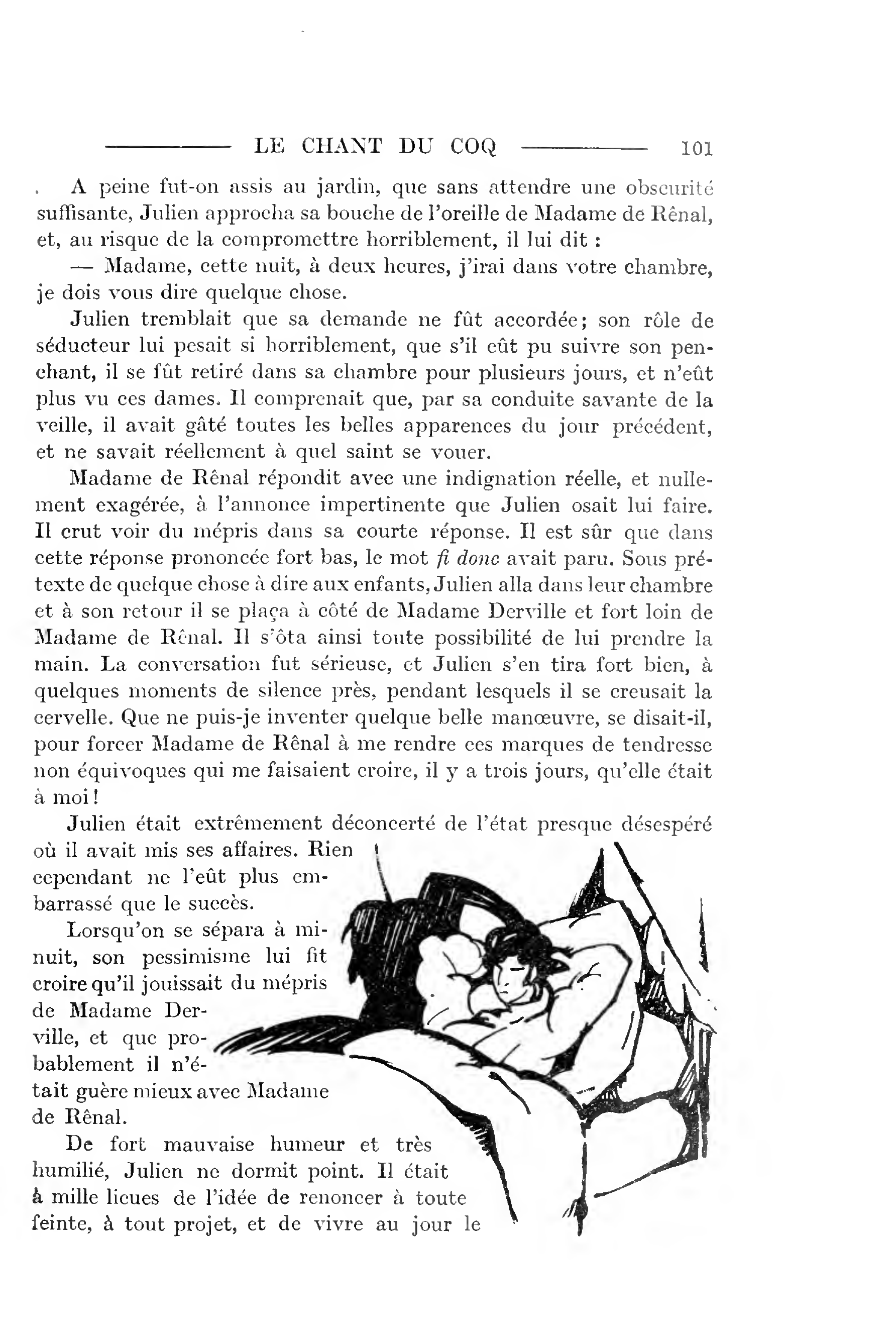
day with Madame de Rênal, contenting himself like a child with the happiness that each day would bring.
He exhausted his brain inventing clever maneuvers: a moment later he found them absurd; he was, in a word, very unhappy, when two o'clock struck on the château clock.
That sound awakened him as the cock's crow awakened Saint Peter. He saw himself at the moment of the most painful event. He had not thought of his impertinent proposal since the moment he had made it; it had been so badly received!
I told her I would go to her at two o'clock, he said to himself as he rose; I may be inexperienced and coarse as befits a peasant's son, Madame Derville has made that clear enough to me, but at least I shall not be weak.
Julien was right to congratulate himself on his courage; never had he imposed on himself a more painful constraint. As he opened his door, he was trembling so much that his knees gave way under him, and he was forced to lean against the wall.
He was without shoes. He went to listen at M. de Rênal's door, from which he could distinguish the snoring. He was sorry for it. There was therefore no longer any pretext for not going to her. But, great God! what would he do there? He had no plan, and even if he had had one, he felt so troubled that he would have been incapable of following it.
At last, suffering a thousand times more than if he had walked to his death, he entered the little corridor that led to Madame de Rênal's room. He opened the door with a trembling hand and making a frightful noise.
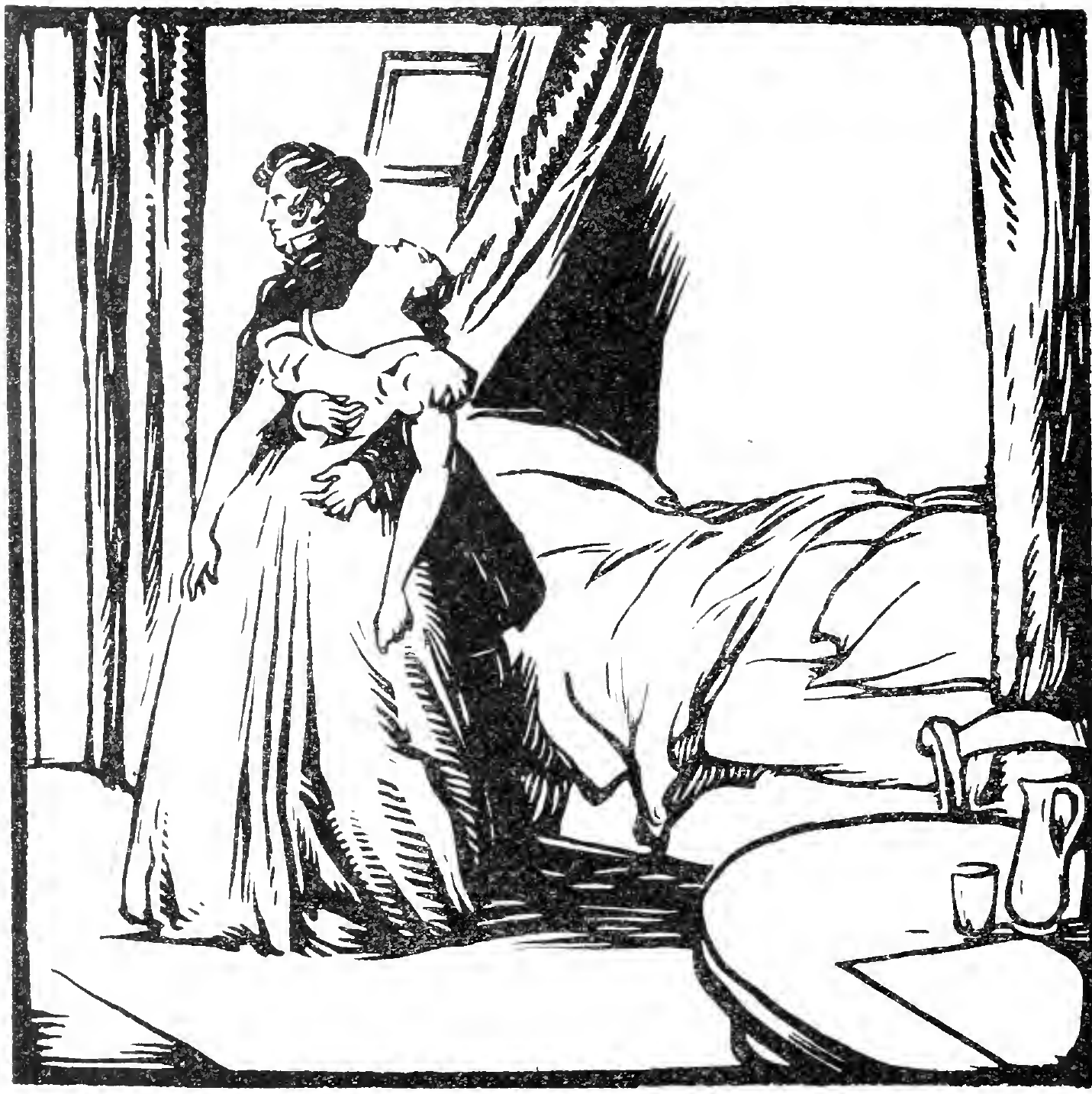
There was light; a night light was burning on the mantelpiece; he had not expected this new misfortune. Seeing him enter, Madame de Rênal threw herself quickly out of her bed. Unhappy man! she cried. There was a little confusion. Julien forgot his vain plans and returned to his natural role; not to please so charming a woman seemed to him the greatest of misfortunes. He answered her reproaches only by throwing himself at her feet, by embracing her knees. As she spoke to him with extreme harshness, he dissolved in tears.
A few hours later, when Julien left Madame de Rênal's room, one might have said, in the style of a novel, that he had nothing left to desire. Indeed, he owed to the love he had inspired and to the unforeseen impression that seductive charms had produced on him a victory to which all his awkward cleverness would not have led him.
But, in the sweetest moments, victim of a bizarre pride, he still claimed to play the role of a man accustomed to subjugating women; he made incredible efforts of attention to spoil what was lovable in him. Instead of being attentive to the transports he aroused, and to the remorse that heightened their vivacity, the idea of duty never ceased to be present before his eyes. He feared a frightful remorse and eternal ridicule if he departed from the ideal model he proposed to follow. In a word, what made
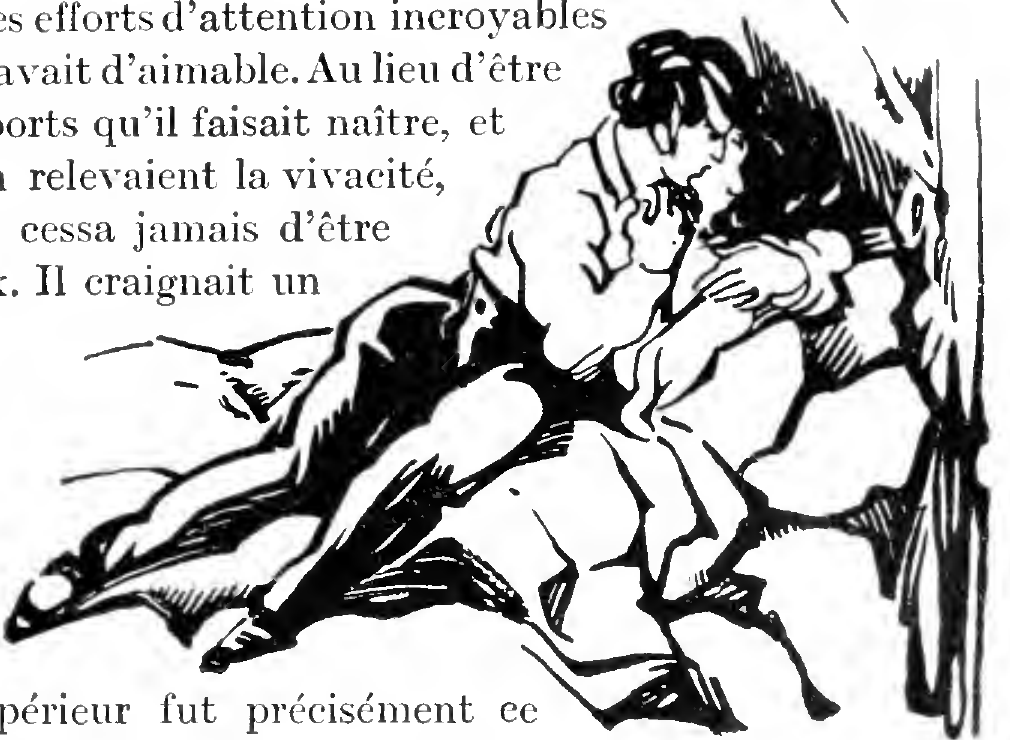
Julien a superior being was precisely what prevented him from tasting the happiness placed beneath his feet. It is a young girl of sixteen, who has charming colors, and who, to go to the ball, has the folly to put on rouge.
-
Mortally frightened by Julien's appearance, Madame de Rênal was soon prey to the cruelest alarms. Julien's tears and despair deeply troubled her.
Even when she has nothing more to refuse him, she pushed Julien away from her with real indignation, and then threw herself into his arms. No plan appeared in all this conduct. She believed herself damned without remission, and sought to hide from herself the sight of hell by overwhelming Julien with the most vivid caresses. In a word, nothing would have been lacking in our hero's happiness, not even a burning sensibility in the woman he had just won, if he had known how to enjoy it. Julien's departure did not put an end to the transports that agitated her in spite of herself, and to her struggles with the remorse that tore her.
My God! to be happy, to be loved, is that all? Such was Julien's first thought as he returned to his room. He was in that state of astonishment and uneasy turmoil into which the soul falls when it has just obtained what it has long desired. It is accustomed to desiring, finds nothing more to desire, and yet has not yet any memories. Like the soldier returning from the parade, Julien was attentively occupied in going over all the details of his conduct. "Have I failed in anything that I owe myself? Have I played my role well?"
And what a role! That of a man accustomed to being brilliant with women.