About this book
Julien Sorel climbs from sawmill to salon, torn between the red of the army and the black of the church. Stendhal's 1830 novel, free to read online.
A GREAT HEART AND A SMALL FORTUNE
But passion most dissembles, yet betrays Even by its darkness; as the blackest sky Foretels the heaviest tempest.
Don Juan, c. 1, st. 73.
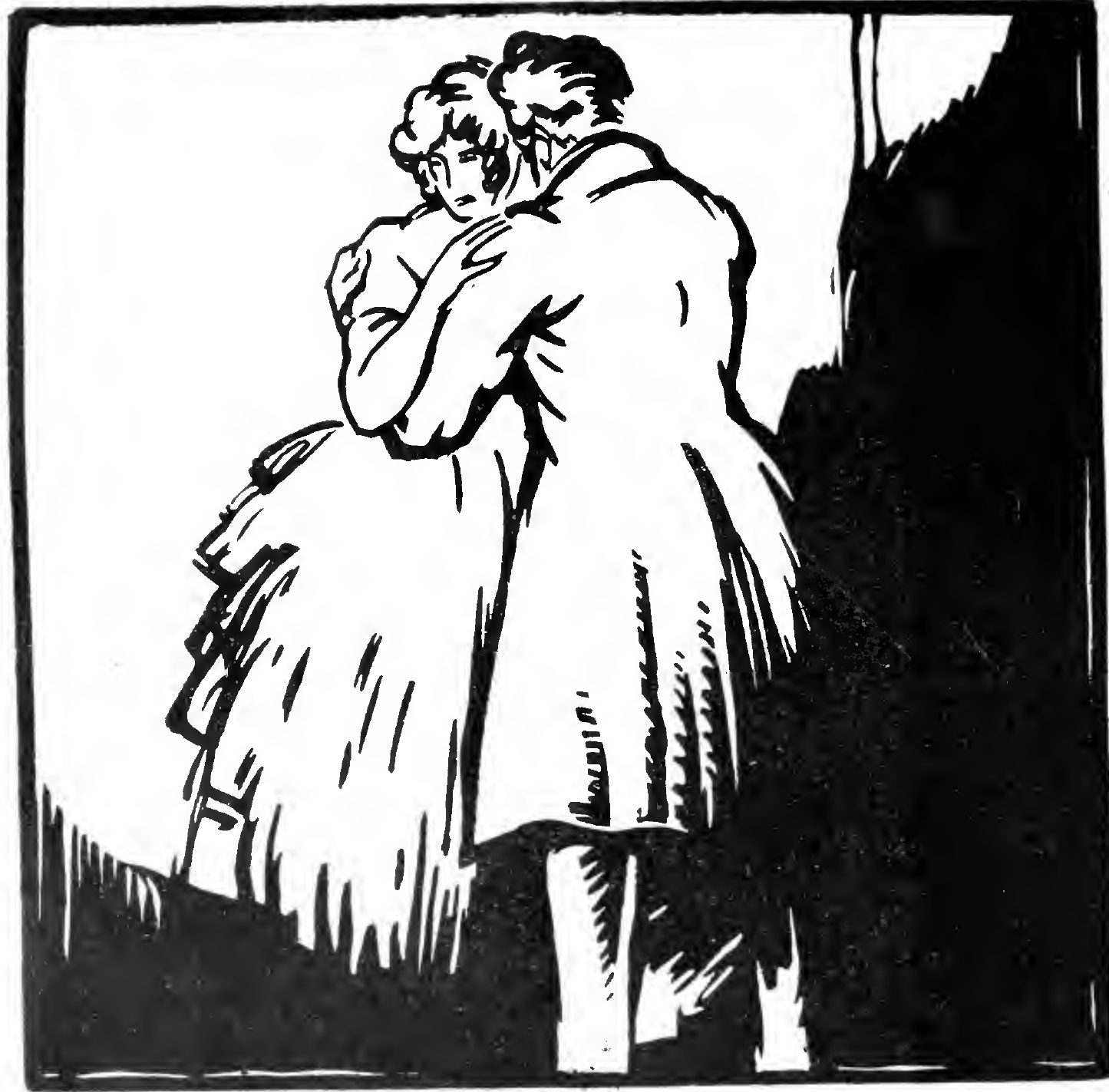
MONSIEUR de Rênal, who was going through all the rooms of the château, returned to the children's room with the servants who were bringing back the mattresses. The sudden entrance of this man was for Julien the drop of water that makes the vase overflow. Paler, gloomier than usual, he rushed toward him. M. de Rênal stopped and looked at his servants.
"Monsieur," Julien said to him, "do you believe that with any other tutor your children would have made the same progress as with me? If you answer no," continued Julien, without leaving M. de Rênal time to speak, "how dare you reproach me with neglecting them?"
M. de Rênal, hardly recovered from his fright, concluded from the strange tone he saw this little peasant assume that he had in his pocket some advantageous proposal and was about to leave him. Julien's anger increasing as he spoke:
"I can live without you, Monsieur," he added.
"I am truly sorry to see you so agitated," replied M. de Rênal, stammering a little. The servants were ten paces away, busy arranging the beds.
"That is not what I need, Monsieur," retorted Julien beside himself; "think of the infamy of the words you addressed to me, and before women too!"
M. de Rênal understood only too well what Julien was demanding, and a painful struggle tore at his soul. It happened that Julien, actually mad with anger, cried out:
"I know where to go, Monsieur, on leaving your house."
At these words, M. de Rênal saw Julien installed with M. Valenod.
"Well, Monsieur," he said to him at last with a sigh and with the air with which he would have called the surgeon for the most painful operation, "I accede to your request. Starting the day after tomorrow, which is the first of the month, I give you fifty francs a month."
Julien had a mind to laugh and remained stupefied: all his anger had disappeared.
"I did not despise the animal enough," he said to himself. "This is doubtless the greatest apology that so base a soul can make."
The children, who were listening to this scene open-mouthed, ran to the garden to tell their mother that M. Julien was very angry, but that he was going to have fifty francs a month.
Julien followed them from habit, without even looking at M. de Rênal, whom he left profoundly irritated.
"That is a hundred and sixty-eight francs," the mayor said to himself, "that M. Valenod costs me. I absolutely must say two firm words to him about his contract for supplies for the foundling children."
A moment later, Julien found himself again facing M. de Rênal:
"I have to speak to M. Chélan about my conscience; I have the honor to inform you that I shall be absent a few hours."
"Eh, my dear Julien," said M. de Rênal, laughing with the falsest air, "all day if you like, all of tomorrow, my good friend. Take the gardener's horse to go to Verrières."
"There he goes," said M. de Rênal to himself, "to give his answer to Valenod; he has promised me nothing, but that young head must be allowed to cool."
Julien escaped rapidly and went up into the great woods through which one can go from Vergy to Verrières. He did not wish to arrive so soon at M. Chélan's. Far from desiring to subject himself to a new scene of hypocrisy, he needed to see clearly into his soul, and to give audience to the crowd of feelings that agitated him.
"I have won a battle," he said to himself as soon as he found himself in the woods and far from the eyes of men, "I have therefore won a battle."
This word painted his whole position in fair colors, and restored some tranquillity to his soul.
"Here I am with fifty francs of salary a month; M. de Rênal must have had a fine fright. But of what?"
This meditation on what might have frightened the happy and powerful man against whom, an hour earlier, he had been boiling with anger, completed the calming of Julien's soul. For a moment he was almost
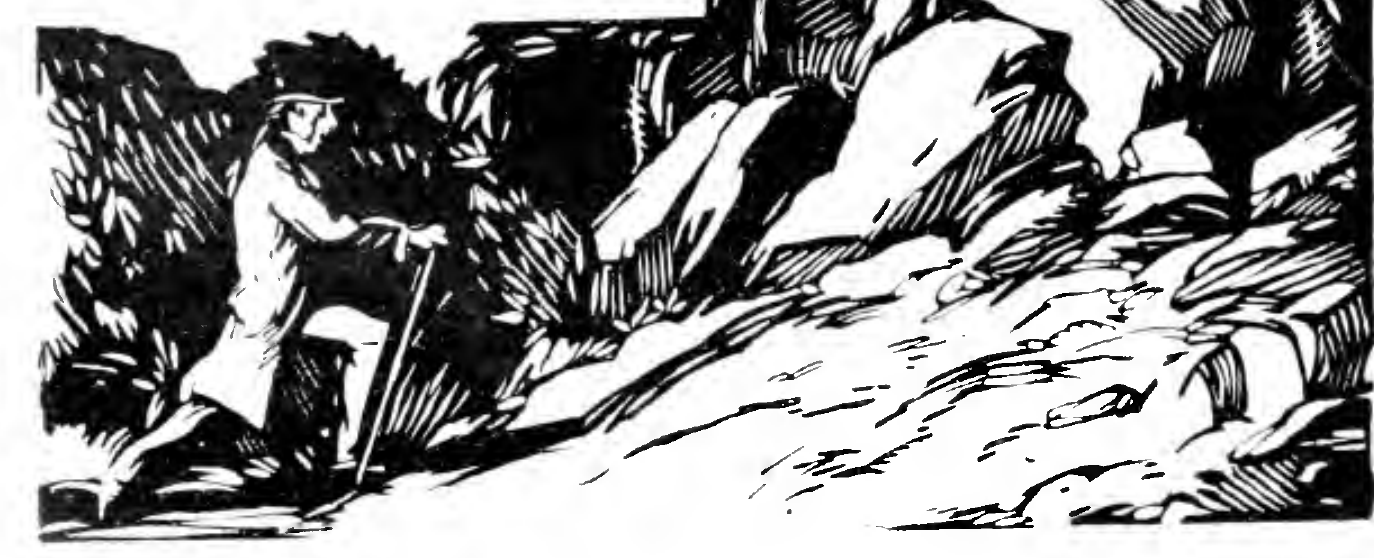
sensitive to the ravishing beauty of the woods through which he was walking. Enormous blocks of bare rock had once fallen into the middle of the forest on the mountain side. Great beeches rose almost as high as these rocks, whose shade lent a delicious coolness three paces from the spots where the heat of the sun's rays would have made it impossible to stop.
Julien caught his breath for a moment in the shade of these great rocks, then set off climbing again. Soon, along a narrow path barely marked and used only by the goatherds, he found himself standing on an immense rock, certain of being separated from all men. This physical position made him smile; it depicted for him the position he was burning to attain in moral terms. The pure air of these high mountains communicated serenity and even joy to his soul. The mayor of Verrières was indeed still, in his eyes, the representative of all the rich and all the insolent of the earth, but Julien felt that the hatred which had just agitated him, despite the violence of its movements, had nothing personal about it. Had he ceased to see M. de Rênal, in eight days he would have forgotten him, his château, his dogs, his children and his whole family. I forced him, I know not how, to make the greatest sacrifice. What? more than fifty écus a year? a moment earlier I had escaped the greatest danger. There are two victories in one day; the second is without merit, I should have to guess the how. But tomorrow for the painful researches.
Julien, standing on his great rock, looked at the sky, ablaze with an August sun. The cicadas sang in the field below the rock; when they fell silent all was silence around him. He saw at his feet twenty leagues of country. Some sparrowhawk setting out from the great rocks above his head was glimpsed by him from time to time, silently tracing its immense circles. Julien's eye mechanically followed the bird of prey. Its tranquil and powerful movements struck him; he envied that strength, he envied that isolation.
It was Napoleon's destiny; would it one day be his?