About this book
Julien Sorel climbs from sawmill to salon, torn between the red of the army and the black of the church. Stendhal's 1830 novel, free to read online.
A SMALL TOWN
Put thousands together less bad,
But the cage less gay.
Hobbes.
The small town of Verrières may pass for one of the prettiest in Franche-Comté. Its white houses with their pointed roofs of red tiles extend along the slope of a hill, whose slightest undulations are marked by clumps of vigorous chestnut trees. The Doubs flows a few hundred feet below
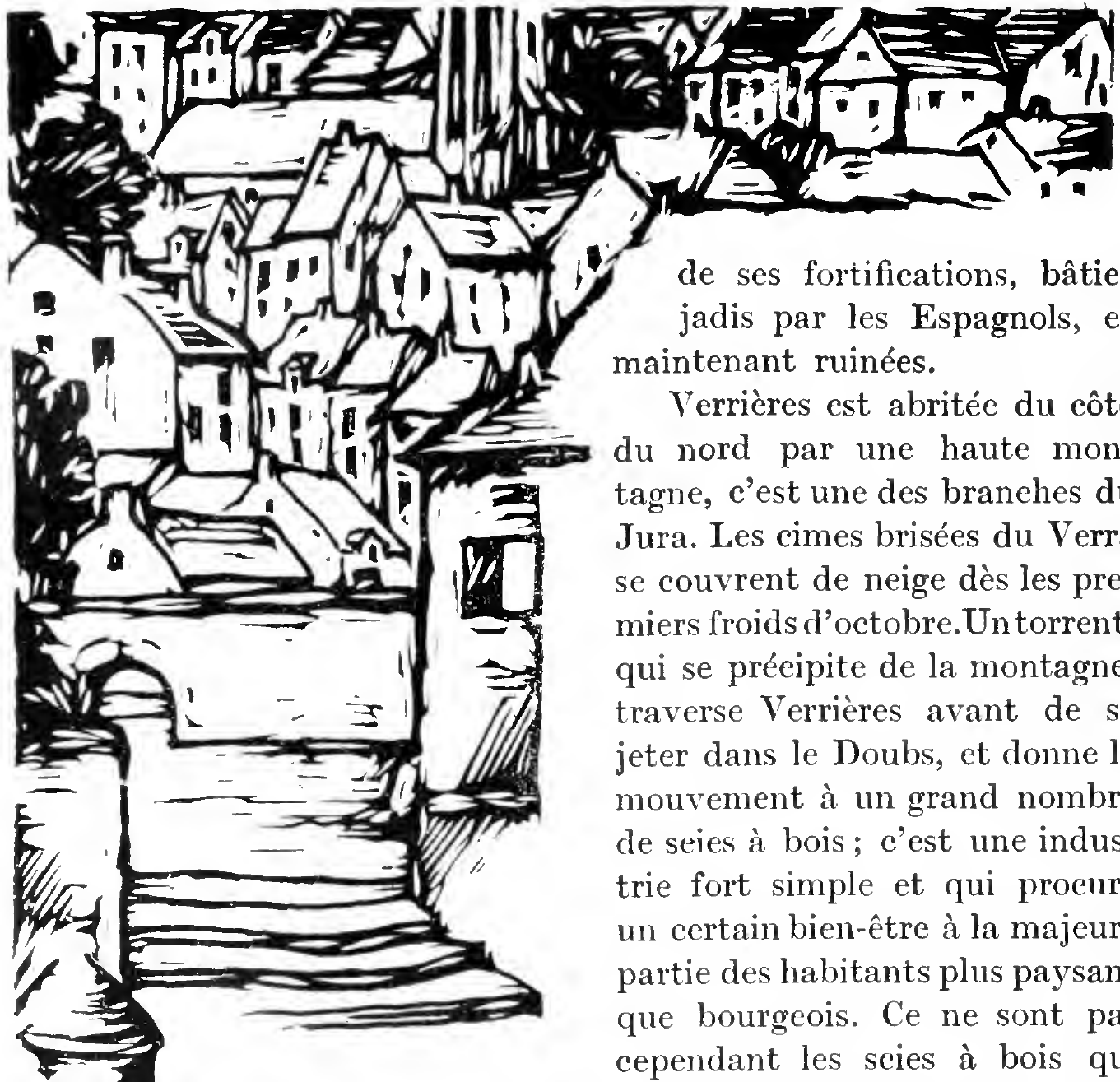
have enriched this small town. It is to the manufacture of painted cloths, known as Mulhouse cloths, that the general prosperity is due which, since the fall of Napoleon, has caused the façades of almost all the houses of Verrières to be rebuilt.
- - -
Scarcely has one entered the town when one is stunned by the din of a noisy machine, terrible in appearance. Twenty heavy hammers, falling again with a sound that makes the pavement tremble, are raised by a wheel which the water of the torrent sets in motion. Each of these hammers makes, every day, I know not how many thousands of nails. It is fresh and pretty young girls who present to the blows of these enormous hammers the small pieces of iron which are rapidly transformed into nails. This work, so rough in appearance, is one of those which most astonish the traveller who penetrates for the first time into the mountains that separate France from Helvetia. If, on entering Verrières, the traveller asks to whom belongs this fine nail factory which deafens the people going up the Grande-Rue, he is answered with a drawling accent: Eh! it belongs to M. the Mayor.
If the traveller stops for a few moments in this Grande-Rue of Verrières, which climbs from the bank of the Doubs towards the summit of the hill, there are a hundred to one chance that he will see appear a tall man with a busy and important air.
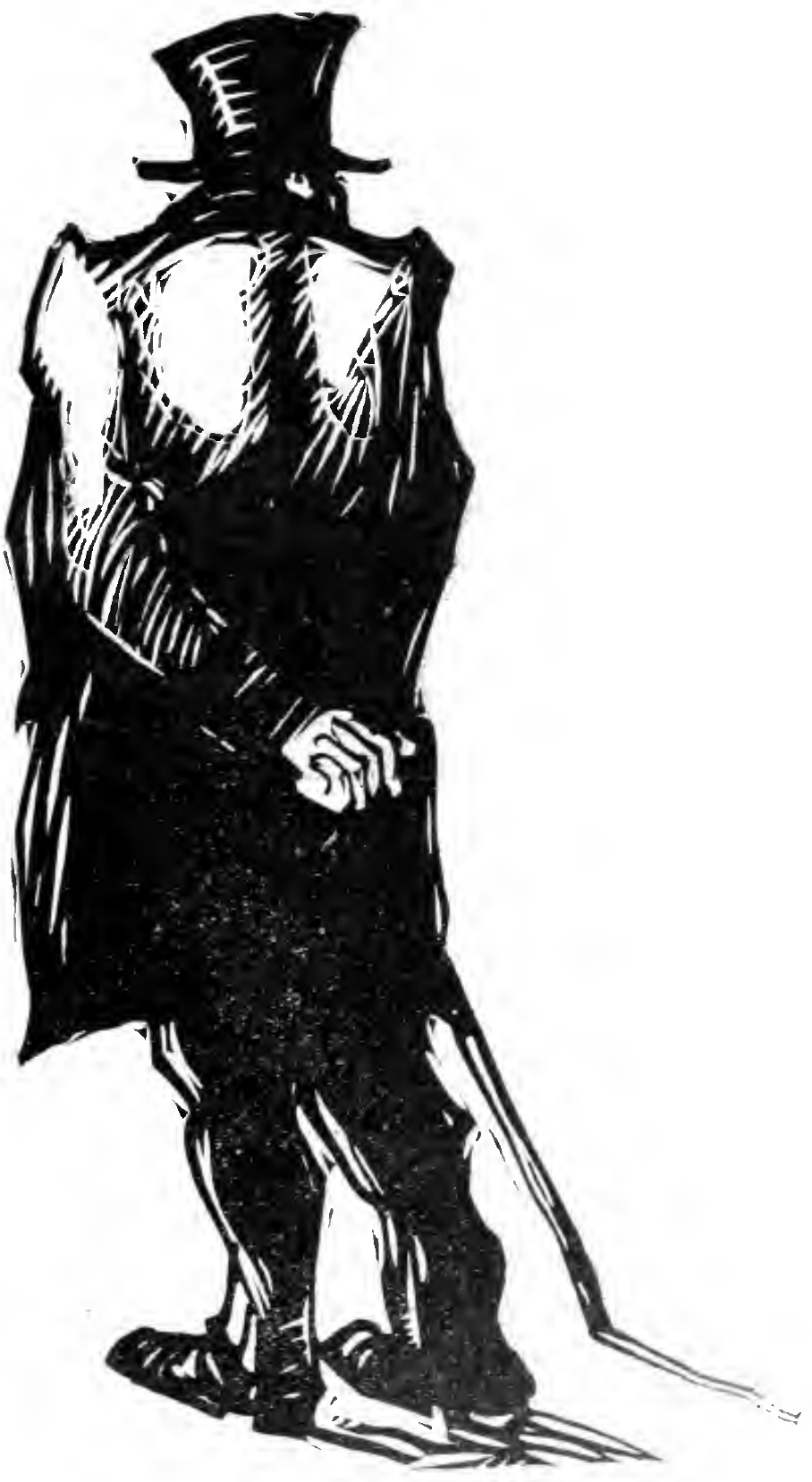
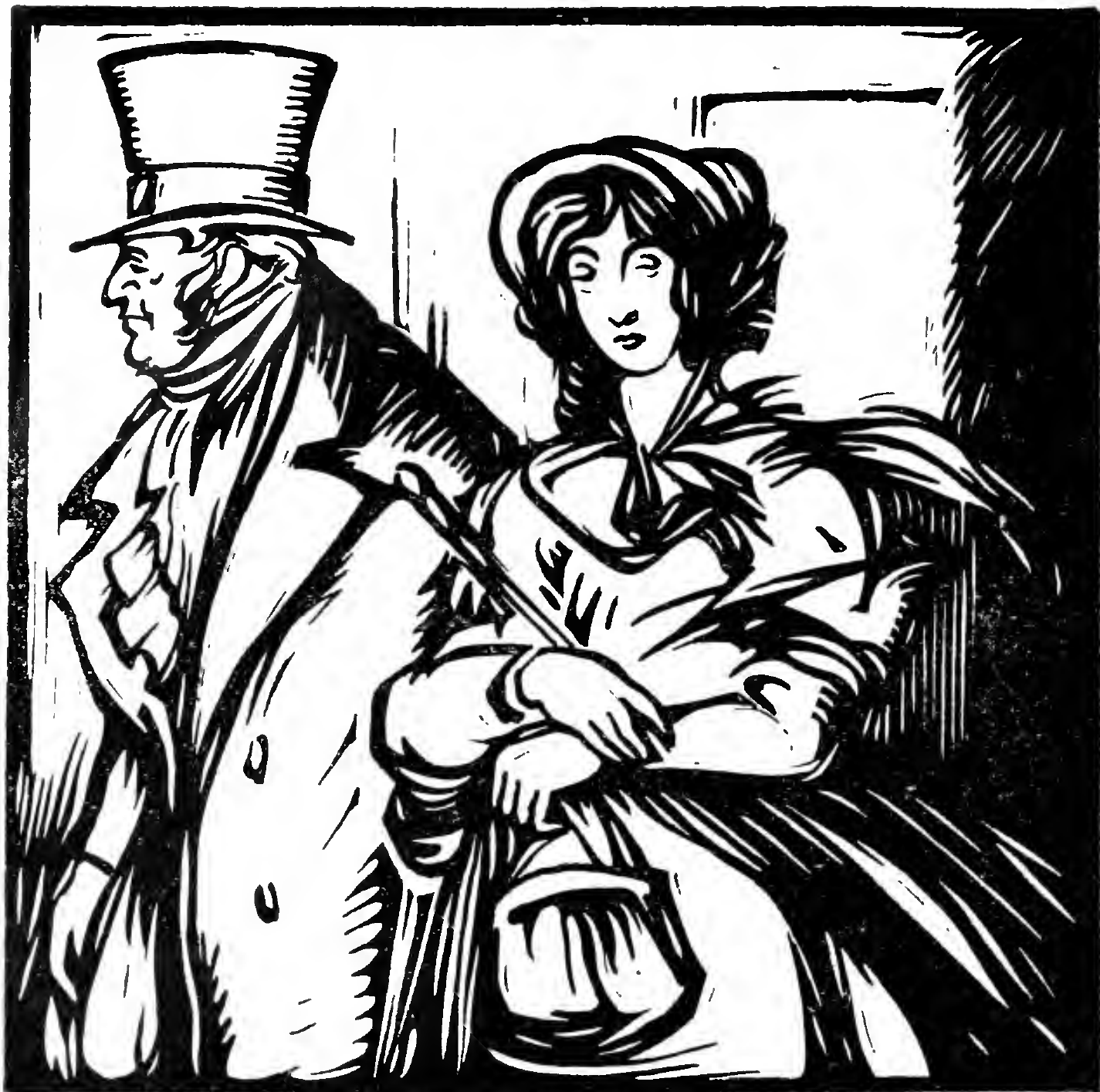
At his aspect all hats are quickly raised. His hair is greyish, and he is dressed in grey. He is a knight of several orders, he has a broad forehead, an aquiline nose, and altogether his face does not lack a certain regularity: one even finds, at first sight, that it unites to the dignity of the village mayor that sort of agreeableness which may still be met with at forty-eight or fifty years. But soon the Parisian traveller is shocked by a certain air of self-satisfaction and self-sufficiency mingled with I know not what of narrow-mindedness and little inventiveness. One feels, in short, that this man's talent is limited to making himself paid very exactly what is owed him, and to paying himself as late as possible when he owes.
Such is the mayor of Verrières, M. de Rênal. After having crossed the street with a grave step, he enters the house and disappears from the traveller's eyes. But, a hundred paces higher up, if the latter continues his walk, he perceives a house of rather fine appearance, and, through an iron gate adjoining the house, magnificent gardens. Beyond, there is a line of horizon formed by the hills of Burgundy, and which seems made to suit the pleasure of the eyes. This view makes the traveller forget the pestilential atmosphere of petty money interests by which he is beginning to be asphyxiated.
He is told that this house belongs to M. de Rênal. It is to the profits he has made on his great nail factory that the mayor of Verrières owes this fine dwelling of dressed stone which he is finishing at this moment. His family, it is said, is Spanish, ancient, and, so it is claimed, established in the country well before the conquest of Louis XIV.
:
:
:
:
:
:
Since 1815 he has blushed to be an industrialist: 1815 made him mayor of Verrières. The terrace walls that support the various parts of this magnificent garden, which descends from stage to stage down to the Doubs, are also the reward of M. de Rênal's science in the iron trade.
Do not expect to find in France those picturesque gardens that surround the manufacturing towns of Germany, Leipsick, Frankfort, Nuremberg, etc. In Franche-Comté, the more walls one builds, the more one bristles one's property with stones ranged one above another, the more rights one acquires to the respect of one's neighbours. The gardens of M. de Rênal, filled with walls, are still admired because he has bought, at the weight of gold, certain small pieces of the land they occupy. For example, that sawmill, whose singular position on the bank of the Doubs struck you on entering Verrières, and where you noticed the name of SOREL, written in gigantic characters on a board that dominates the roof, it occupied, six years ago, the space on which is being erected at this moment the wall of the fourth terrace of M. de Rênal's gardens.
:
::
:
Despite his pride, M. the Mayor has had to take many steps with old Sorel, a hard and obstinate peasant; he has had to count out fine gold louis to him, to obtain that he transport his factory elsewhere. As for the public stream that made the saw go, M. de Rênal, by means of the credit he enjoys in Paris, has obtained that it be diverted. This favour came to him after the elections of 182*.
He gave Sorel four acres for one, five hundred paces lower down on the banks of the Doubs. And, although this position was much more advantageous for his trade in fir planks, father Sorel, as he has been called since he became rich, has had the secret of obtaining from the impatience and the mania for ownership that animated his neighbour, a sum of 6,000 francs.
It is true that this arrangement has been criticised by the good heads of the place. Once, it was a Sunday, four years ago, M. de Rênal, returning from church in his mayor's costume, saw from afar old Sorel, surrounded by his three sons, smiling as he looked at him. This smile has carried a fatal day into the soul of M. the Mayor; he
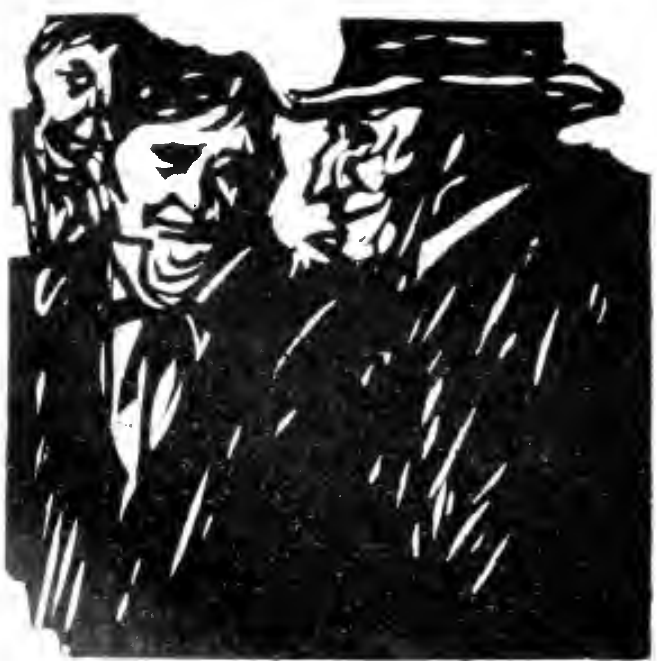
has thought since then that he might have obtained the exchange more cheaply.
To arrive at public consideration in Verrières, the essential thing is not to adopt, while building many walls, some plan brought from Italy by those masons who in spring cross the gorges of the Jura to reach Paris. Such an innovation would earn the imprudent builder an eternal reputation for being a hothead, and he would be forever lost with the wise and moderate people who distribute consideration in Franche-Comté.
In fact, these wise people exercise there the most tedious despotism; it is because of this ugly word that the stay in small towns is unbearable for anyone who has lived in that great republic called Paris. The tyranny of opinion, and what an opinion! is as stupid in the small towns of France as in the United States of America.