About this book
Julien Sorel climbs from sawmill to salon, torn between the red of the army and the black of the church. Stendhal's 1830 novel, free to read online.
A KING AT VERRIÈRES
Are you good only to be cast there like a corpse of a people, without soul, and whose veins have no more blood.
Disc. of the Bishop, at the chapel of Saint-Clément.
On September 3, at ten o'clock in the evening, a gendarme awoke all Verrières by galloping up the main street; he brought the news that His Majesty the King of *** was arriving the following Sunday, and it was then Tuesday. The prefect authorized, that is to say requested, the formation of a guard of honor; the utmost pomp must be displayed. A courier was dispatched to Vergy. M. de Rênal arrived during the night, and found the whole town in a ferment. Everyone had his pretensions; the least busy rented balconies to see the king's entry.
Who would command the guard of honor? M. de Rênal saw at once how important it was, in the interest of the houses subject to being set back, that M. de Moirod should have this command. It could serve as a title for the post of first deputy. There was nothing to be said against M. de Moirod's devotion; it was beyond all comparison, but never had he mounted a horse. He was a man of thirty-six, timid in every way, and who feared falls and ridicule equally.
The mayor sent for him at five o'clock in the morning.
"You see, Monsieur, that I request your advice, as if you already occupied the post to which all honest men are carrying you. In this unhappy town the manufactures prosper, the liberal party is becoming millionaire, it aspires to power, it will know how to make weapons of everything. Let us consult the interest of the king, that of the monarchy, and above all the interest of our holy religion. To whom do you think, Monsieur, that the command of the guard of honor can be entrusted?"
Despite the horrible fear the horse caused him, M. de Moirod ended by accepting this honor as a martyrdom. "I shall know how to assume a suitable tone," he said to the mayor. There was scarcely time left to have arranged the uniforms that seven years before had served at the passage of a prince of the blood.
At seven o'clock, Madame de Rênal arrived from Vergy with Julien and the children. She found her drawing room filled with liberal ladies who preached the union of parties, and came to beg her to urge her husband to grant their own a place in the guard of honor. One of them claimed that if her husband were not elected, he would go bankrupt from grief. Madame de Rênal very quickly sent all these people away. She seemed very busy.
Julien was astonished and still more vexed that she made a mystery to him of what was agitating her. "I had foreseen it," he said to himself with bitterness, "her love is eclipsed before the happiness of receiving a king in her house. All this uproar dazzles her. She will love me again when the ideas of her caste no longer trouble her brain."
Strange thing, he loved her the more for it.
The upholsterers were beginning to fill the house; he watched long in vain for the opportunity to say a word to her. At last he found her coming out of his own room, Julien's, carrying away one of his coats. They were alone. He wanted to speak to her. She fled, refusing to listen. "I am a great fool to love such a woman; ambition makes her as mad as her husband."
She was more so than ever: one of her great desires, which she had never confessed to Julien for fear of shocking him, was to see him leave off, if only for a day, his dreary black coat. With a skill truly admirable in a woman so natural, she first obtained from M. de Moirod, and then from M. the sub-prefect de Maugiron, that Julien should be named guard of honor in preference to five or six young men, sons of very wealthy manufacturers, and two of whom at least were of exemplary piety. M. Valenod, who counted on lending his calèche
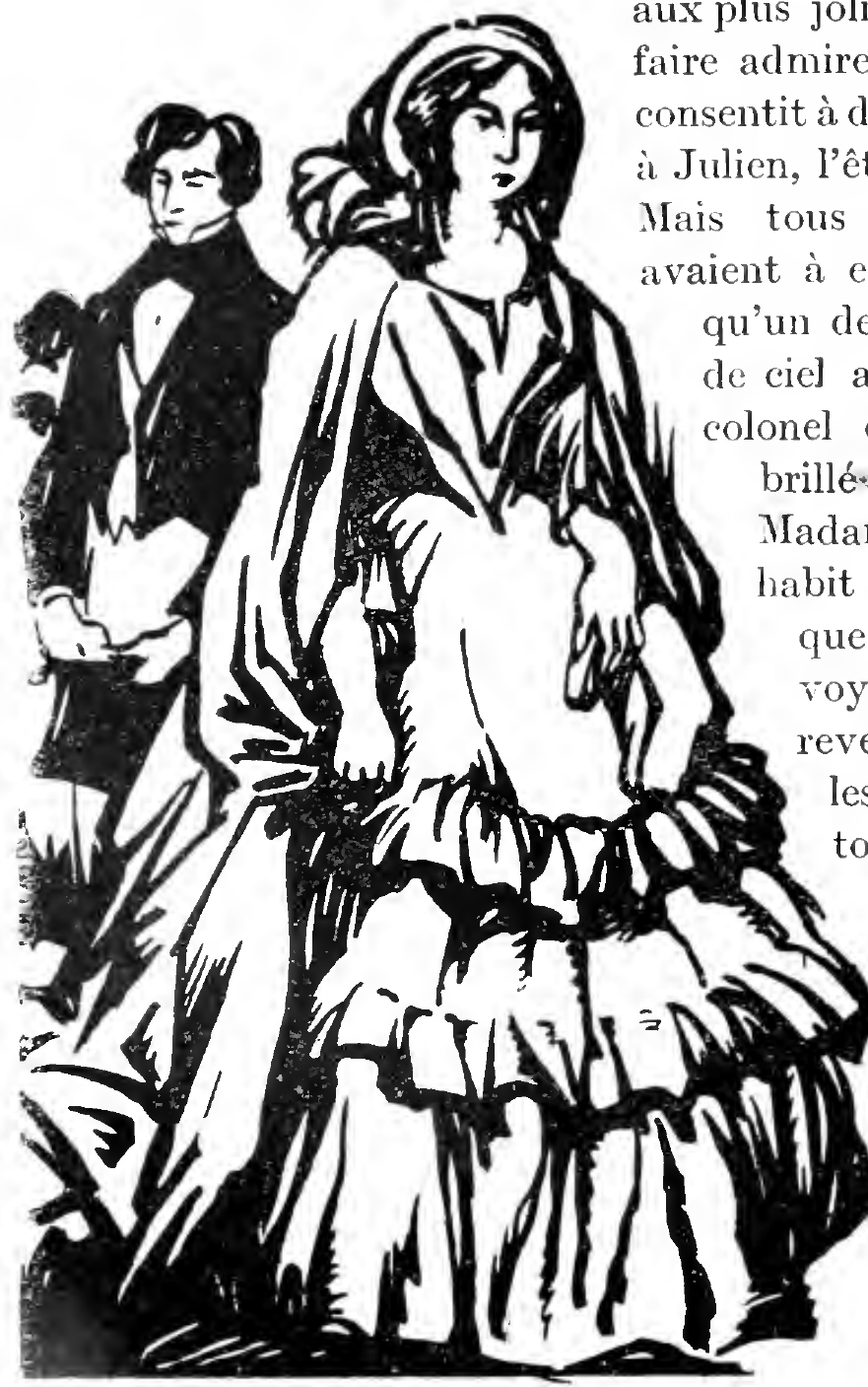
to the prettiest women in the town, and on having his fine Normans admired, consented to give one of his horses to Julien, the being whom he hated most. But all the guards of honor had, either of their own or borrowed, one of those fine sky-blue coats with odious silver colonel's epaulettes, which had shone seven years before. Madame de Rênal wanted a new coat, and she had only four days left to send to Besançon and have returned the uniform coat, the arms, the hat, etc., everything that makes a guard of honor. What is most amusing is that she thought it imprudent to have Julien's coat made at Verrières. She wanted to surprise him, and the town.
The work of the guards of honor and of public spirit finished, the mayor had to occupy himself with a great religious ceremony: the king of *** did not wish to pass through Verrières without visiting the famous relic of Saint Clement which is preserved at Bray-le-Haut, a short league from the town. A numerous clergy was desired; this was the most difficult matter to arrange; M. Maslon, the new curé, wanted at all costs to avoid the presence of M. Chélan. In vain did M. de Rênal represent to him that it would be imprudent. M. the Marquis de La Mole, whose ancestors had been so long governors of the province, had been designated to accompany the king of ***. He had known the abbé Chélan for thirty years. He would certainly ask for news of him on arriving at Verrières; and if he found him disgraced, he was a man to go and seek him in the little house to which he had retired, accompanied by all the cortege he could dispose of. What a slap in the face!
"I am dishonored here and in Besançon," replied Abbé Maslon, "if he appears in my clergy. A Jansenist, great God!"
"Whatever you may say about it, my dear abbé," replied M. de Rênal, "I will not expose the administration of Verrières to receiving an affront from M. de La Mole. You do not know him; he thinks well at court; but here in the provinces, he is a malicious satirical joker, a mocker, seeking only to embarrass people. He is capable, solely for amusement, of covering us with ridicule in the eyes of the liberals."
It was only in the night from Saturday to Sunday, after three days of negotiations, that Abbé Maslon's pride bent before the fear of the mayor, which was turning into courage. A honeyed letter had to be written to Abbé Chélan, begging him to attend the ceremony of the relic of Bray-le-Haut, provided his great age and infirmity permitted it. M. Chélan asked for and obtained a letter of invitation for Julien, who was to accompany him as subdeacon.
From the morning of Sunday, thousands of peasants, arriving from the neighboring mountains, flooded the streets of Verrières. It was the finest sunshine. Finally, toward three o'clock, all that crowd was stirred; a great fire was visible on a rock two leagues from Verrières. This signal announced that the king had just entered the territory of the department. At once the sound of all the bells and the repeated discharges of an old Spanish cannon belonging to the town marked its joy at this great event. Half the population climbed onto the roofs. All the women were at the balconies. The guard of honor set out. People admired the brilliant uniforms, each recognizing a relative, a friend. They mocked the fear of M. de Moirod,
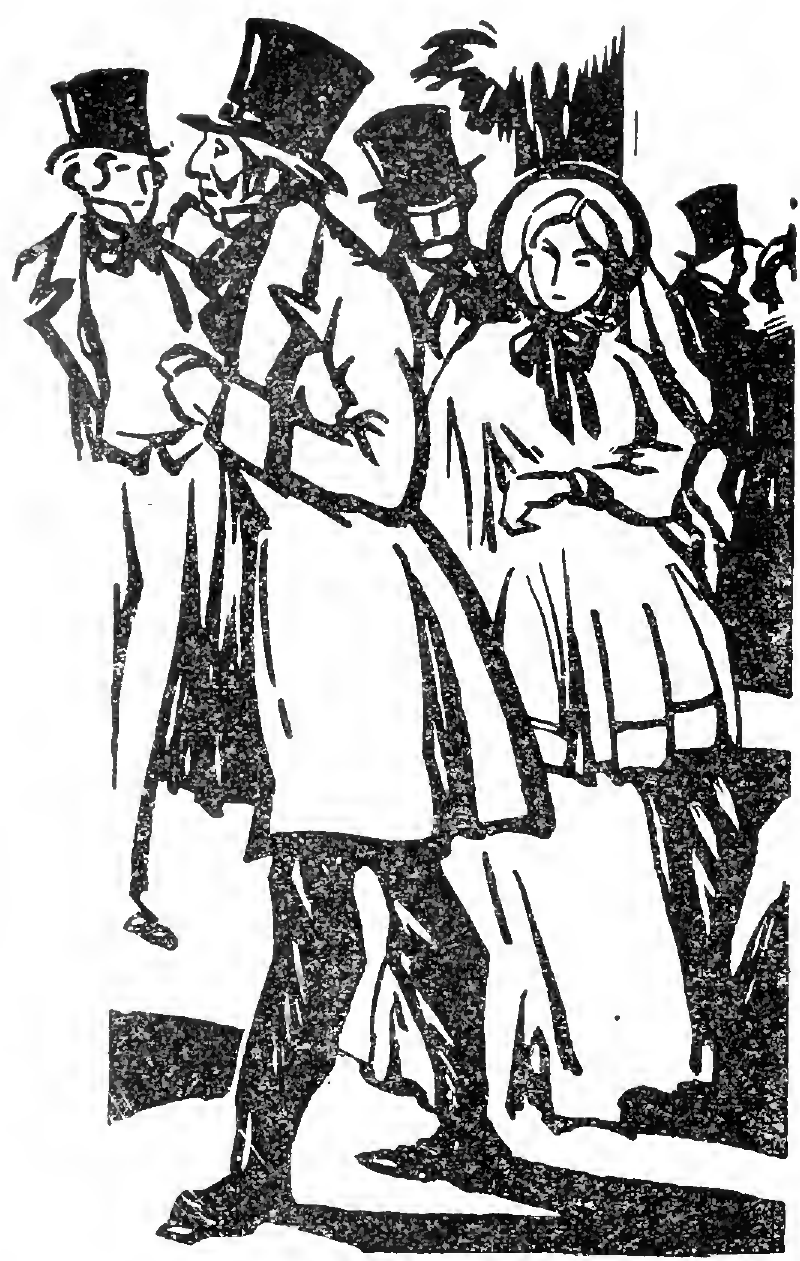
whose prudent hand was at every moment ready to seize the pommel of his saddle. But one remark made all the others forgotten: the first horseman of the ninth file was a very handsome young man, very slender, whom at first no one recognized. Soon a cry of indignation among some, among others the silence of astonishment, announced a general sensation. In this young man, mounted on one of M. Valenod's Norman horses, people recognized little Sorel, the carpenter's son. There was but one cry against the mayor, especially among the liberals. What! because this little worker disguised as an abbé was tutor to his brats, he had the audacity to appoint him to the guard of honor, to the prejudice of messieurs such and such, rich manufacturers? These gentlemen, said a banker's wife, should well give a humiliation to this little insolent fellow, born in the mud. "He is sly and wears a saber," replied the neighbor; "he would be treacherous enough to cut their faces."
The remarks of noble society were more dangerous. The ladies asked themselves whether this high inconvenience came from the mayor alone. In general, justice was done to his contempt for lack of birth.
While he was the occasion of so much talk, Julien was the happiest of men. Naturally bold, he sat his horse better than most of the young people of this mountain town. He saw in the women's eyes that it was about him.
His epaulettes were brighter because they were new. His horse reared at every moment; he was at the height of joy.
His happiness knew no bounds when, passing near the old rampart, the noise of the little cannon made his horse leap out of the ranks. By great chance he did not fall; from that moment he felt himself a hero. He was Napoleon's orderly officer and was charging a battery.
One person was happier than he. First she had seen him pass by from one of the windows of the town hall; then, getting into a calèche and rapidly making a long detour, she arrived in time to tremble when his horse carried him out of the ranks. Finally, her calèche emerging at a full gallop through another gate of the town, she managed to rejoin the road by which the king was to pass, and was able to follow the guard of honor at twenty paces' distance, amid a noble dust. Ten thousand peasants cried: Long live the king! when the mayor had the honor of haranguing His Majesty. An hour later, when, all the speeches heard, the king was about to enter the town, the little cannon began firing again at a precipitate rate. But an accident followed, not for the gunners who had proved themselves at Leipsick and at Montmirail, but for the future first deputy mayor, M. de Moirod. His horse deposited him gently in the only mudhole on the highway, which caused a scandal, because he had to be pulled out of it so that the king's carriage could pass.
His Majesty descended at the beautiful new church, which that day was adorned with all its crimson hangings. The king was to dine, and immediately afterward get back into his carriage to go venerate the famous relic of Saint Clement. Hardly was the king in the church when Julien galloped toward M. de Rênal's house. There, sighing, he left his beautiful sky-blue coat, his saber, his epaulettes, to take up again the little threadbare black coat. He remounted his horse, and in a few moments was at Bray-le-Haut, which occupies the summit of a very beautiful hill. Enthusiasm multiplies these peasants, thought Julien. One cannot stir in Verrières, and here are more than ten thousand of them around this ancient abbey. Half ruined by revolutionary vandalism, it had been magnificently restored since the Restoration, and people were beginning to speak of miracles. Julien rejoined Abbé Chélan, who scolded him severely, and handed him a cassock and a surplice. He dressed promptly and followed M. Chélan, who was going to the young bishop of Agde. He was a nephew of M. de La Mole, recently appointed, and had been charged with showing the relic to the king. But this bishop could not be found.
The clergy was growing impatient. It awaited its chief in the dark and Gothic cloister of the old abbey. Twenty-four curés had been assembled to represent the former chapter of Bray-le-Haut, composed, before 1789, of twenty-four canons. After having deplored the bishop's youth for three quarters of an hour, the curés thought it
fitting that M. the dean should go to Monseigneur to inform him that the king was about to arrive, and that it was time to proceed to the choir. M. Chélan's great age had made him dean; despite the ill humor he showed toward Julien, he signaled to him to follow. Julien wore his surplice very well. By means of I know not what ecclesiastical grooming procedure, he had made his handsome curly hair very flat; but, by an oversight that redoubled M. Chélan's anger, beneath the long folds of his cassock the spurs of the guard of honor could be glimpsed.
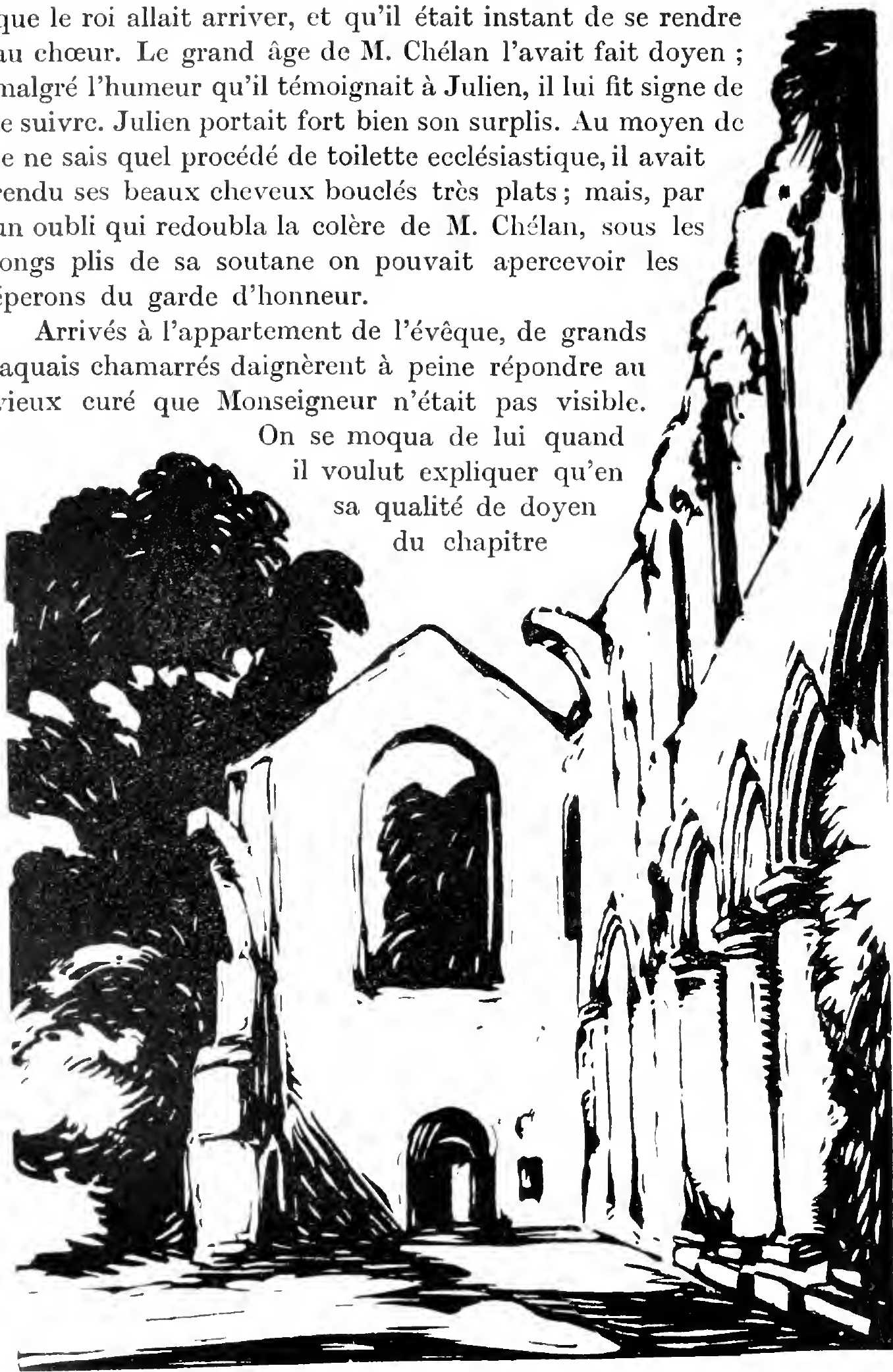
Having arrived at the bishop's apartment, great lackeys covered with braid barely deigned to reply to the old curé that Monseigneur was not visible.
They mocked him when he tried to explain that, in his capacity as dean of the noble chapter of Bray-le-Haut, he had the privilege of being admitted at all times to the officiating bishop.
Julien's haughty temper was shocked by the insolence of the lackeys. He began to roam the dormitories of the ancient abbey, shaking every door he encountered. A very small one yielded to his efforts, and he found himself in a cell amid Monseigneur's valets de chambre, in black coats with chains at their necks. At his hurried air these gentlemen believed him summoned by the bishop and let him pass. He took a few steps and found himself in an immense Gothic hall, extremely dark and entirely paneled in black oak; with the exception of one, the ogival windows had been walled up with bricks. The coarseness of this masonry was disguised by nothing, and made a sad contrast with the ancient magnificence of the woodwork. The two great sides of this hall, famous among Burgundian antiquaries and built by Duke Charles the Bold around 1470 in expiation of some sin, were furnished with richly carved wooden stalls. There could be seen, figured in wood of different colors, the mysteries of the Apocalypse.
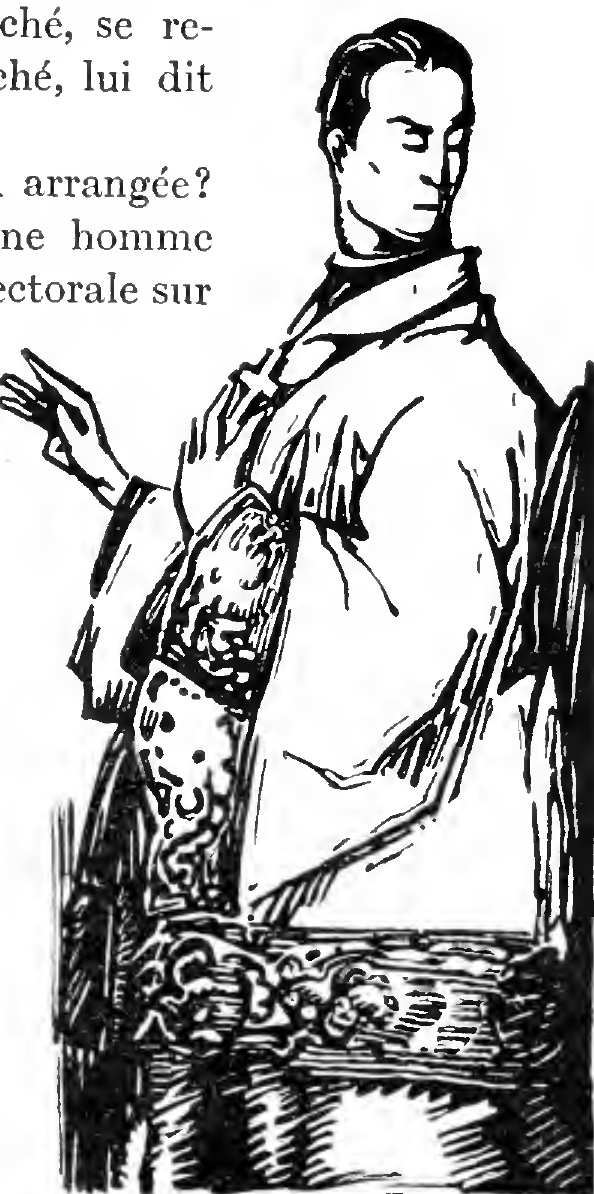
This melancholy magnificence, degraded by the sight of the bare bricks and the still quite white plaster, touched Julien. He stopped in silence. At the other end of the hall, near the only window through which the daylight penetrated, he saw a movable mahogany mirror. A young man, in a violet robe and a lace surplice, but bareheaded, was standing three paces from the glass. This piece of furniture seemed strange in such a place, and had doubtless been brought there from the town. Julien thought the young man looked irritated; with his right hand he was gravely giving blessings in the direction of the mirror.
What can this mean? he thought. Is this a preparatory ceremony that this young priest is performing? Perhaps he is the bishop's secretary... He will be insolent like the lackeys... Upon my word, no matter! let us try.
He advanced and walked rather slowly the length of the hall, his gaze still fixed toward the only window, and watching this young man who continued to give blessings, executed slowly but in infinite number, and without resting for an instant.
As he approached, he distinguished more clearly his angry air. The richness of the surplice trimmed with lace involuntarily stopped Julien a few paces from the magnificent mirror.
It is my duty to speak, he said to himself at last; but the beauty of the hall had moved him, and he was vexed by the harsh words that were about to be addressed to him. The young man saw him in the cheval glass, turned around, and suddenly abandoning his angry air, said to him in the gentlest tone:
— Well, Monsieur, is it arranged at last?
Julien stood stupefied. As this young man turned towards him, Julien saw the pectoral cross on his breast: it was the Bishop of Agde.
So young, thought Julien; at most six or eight years older than myself!... And he felt ashamed of his spurs.
— Monseigneur, he replied timidly, I am sent by the dean of the chapter, M. Chélan.
— Ah! he is strongly recommended to me, said the bishop in a polite tone which redoubled Julien's enchantment. But I beg your pardon, Monsieur, I took you for the person who is to bring me my mitre. It was badly packed in Paris; the silver cloth is horribly damaged at the top. That will make the vilest effect, added the young bishop with a sad air, and besides, they keep me waiting!
— Monseigneur, I will go and fetch the mitre, if Your Greatness permits.
Julien's fine eyes produced their effect.
— Go, Monsieur, replied the bishop with charming politeness; I need it at once. I am desolate at keeping the gentlemen of the chapter waiting.
When Julien had reached the middle of the hall, he turned round towards the bishop, and saw that he had gone back to giving blessings. What can that be? Julien asked himself; no doubt it is an ecclesiastical preparation necessary for the ceremony that is about to take place. As he came to the cell where the valets de chambre were, he saw the mitre in their hands. These gentlemen, yielding in spite of themselves to Julien's imperious glance, handed him Monseigneur's mitre.
He felt proud to carry it: as he crossed the hall, he walked slowly; he held it with respect. He found the bishop seated before the mirror; but from time to time his right hand, though weary, still gave the blessing. Julien helped him to place his mitre. The bishop shook his head.
— Ah! it will hold, said Julien with a contented air. Will you move a little away?
Then the bishop went very quickly to the middle of the room, then, approaching the mirror with slow steps, he resumed his angry air, and gravely gave blessings.
Julien stood motionless with astonishment; he was tempted to understand, but did not dare. The bishop stopped, and looking at him with an air that suddenly lost its gravity:
— What do you say of my mitre, Monsieur? does it sit well?
— Very well, Monseigneur.
— It is not too far back? that would look a little silly; but one must not wear it down over the eyes either, like an officer's shako.
— It seems to me to sit very well.
— The King of *** is accustomed to a venerable clergy and doubtless very grave. I should not like, especially because of my age, to look too frivolous.
And the bishop again began to walk about giving blessings.
— It is clear, said Julien, at last daring to understand, he is practising giving the blessing.
After a few moments: “I am ready, said the bishop. Go, Monsieur, inform M. the dean and the gentlemen of the chapter.”
Soon M. Chélan, followed by the two oldest curés, entered by a very large door magnificently carved, which Julien had not noticed. But this time he remained in his place, the last of all, and could see the bishop only over the shoulders of the ecclesiastics who crowded at that door.
The bishop was slowly crossing the hall; when he had reached the threshold, the curés formed in procession. After a little moment of disorder, the procession began to move, intoning the psalm. The bishop advanced last, between M. Chélan and another very old curé. Julien slipped quite close to Monseigneur, as if attached to the abbé Chélan. They followed the long corridors of the abbey of Bray-le-Haut; despite the dazzling sun, they were dark and damp. At last they reached the portico of the cloister. Julien was stupefied with admiration for so beautiful a ceremony. Ambition awakened by the young age of the bishop, the sensibility and exquisite politeness of this prelate, disputed for his heart. This politeness was quite another thing than that of M. de Rênal, even on his good days. The higher one rises towards the first rank of so
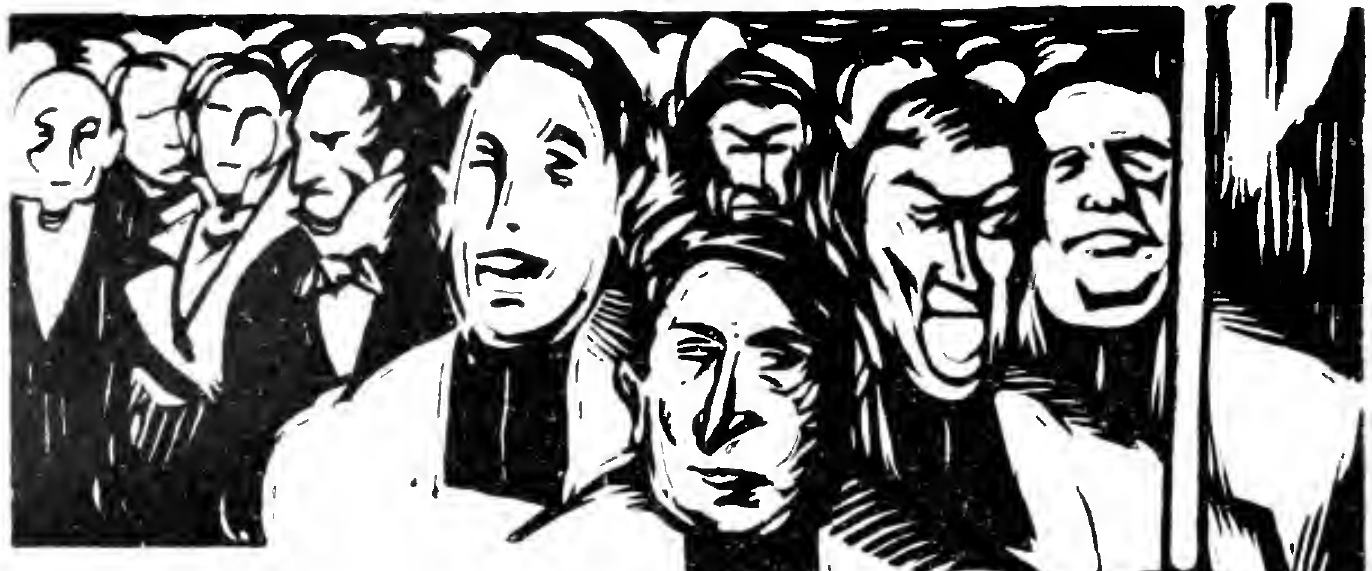
ciety, said Julien to himself, the more one finds of these charming manners.
They were entering the church by the side door; suddenly a frightful noise made its ancient vaults resound; Julien thought they were crumbling. It was still the little piece of cannon; drawn by eight horses at a gallop, it had just arrived; and scarcely arrived, put in battery by the gunners of Leipsick, it fired five shots a minute, as if the Prussians had been before it.
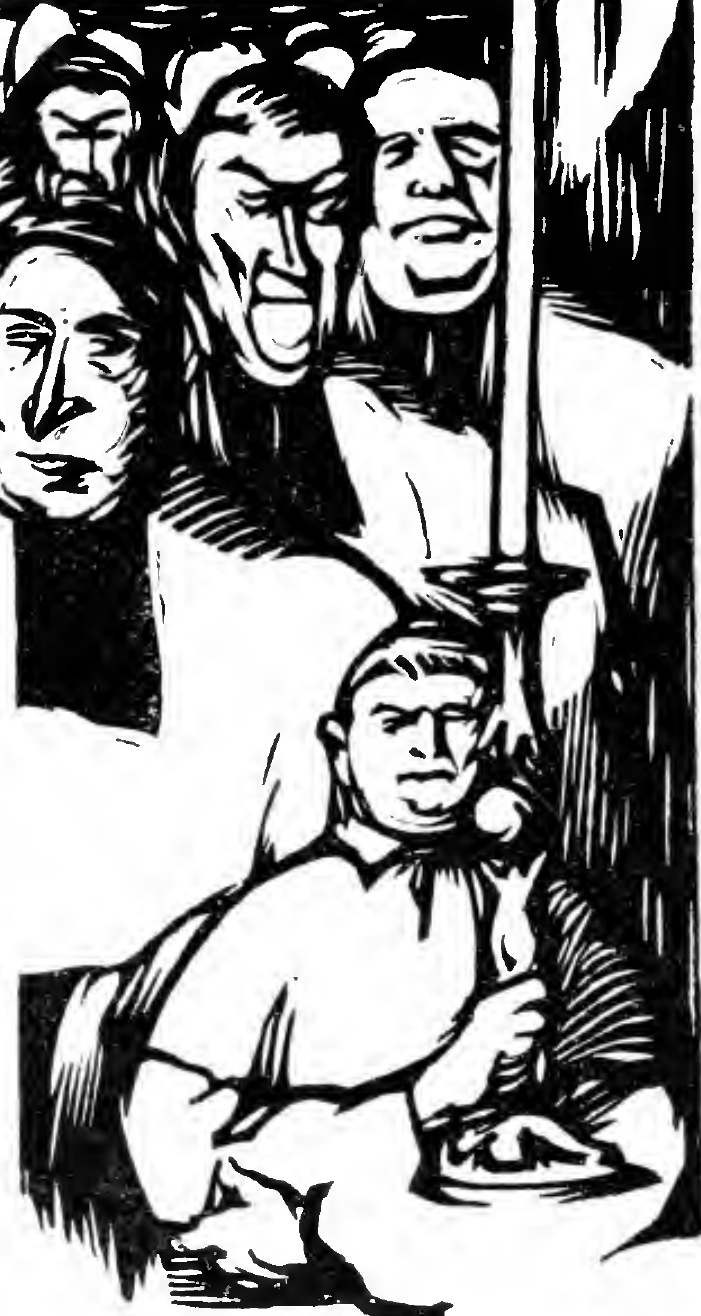
But this admirable noise no longer had any effect on Julien; he was no longer thinking of Napoleon and military glory: So young, he thought, to be Bishop of Agde! but where is Agde? and how much does it bring in? two or three hundred thousand francs perhaps?
.
Monseigneur's lackeys appeared with a magnificent canopy; M. Chélan took one of the staves, but in fact it was Julien who carried it. The bishop placed himself beneath it. Really he had managed to give himself the air of an old man; our hero's admiration had no more bounds. What cannot be done with skill, he thought.
The King entered. Julien had the happiness of seeing him very close. The bishop harangued him with unction, and without forgetting a little shade of very polite emotion for His Majesty. We shall not repeat the description of the ceremonies of Bray-le-Haut; for a fortnight they filled the columns of every newspaper in the department. Julien learned, from the bishop's speech, that the King was descended from Charles the Bold.
Later it entered into Julien's duties to verify the accounts of what this ceremony had cost. M. de La Mole, who had procured a bishopric for his nephew, had wished to do him the gallantry of taking charge of all the expenses. The ceremony of Bray-le-Haut alone cost three thousand eight hundred francs.
After the bishop's speech and the King's reply, His Majesty placed himself beneath the canopy; then he knelt very devoutly on a cushion near the altar. The choir was surrounded with stalls, and the stalls were raised two steps above the pavement. It was on the last of these steps that Julien was seated at the feet of M. Chélan, about like a caudataire near his cardinal, in the Sistine Chapel at Rome. There was a Te Deum, floods of incense, infinite discharges of musketry and artillery; the peasants were drunk with happiness and piety. Such a day undoes the work of a hundred numbers of the Jacobin newspapers.
Julien was six paces from the King, who was really praying with abandon. He noticed, for the first time, a little man with a spirited glance who wore a coat almost without embroidery. He had a sky-blue cordon over this very simple coat. He was nearer the King than many other lords, whose coats were so embroidered with gold that, in Julien's expression, one could not see the cloth. He learned a few moments afterwards that this was M. de La Mole. He found him haughty and even insolent in appearance.
This marquis would not be polite like my pretty bishop, he thought. Ah! the ecclesiastical state makes one gentle and wise. But the King has come to venerate the relic, and I see no relic. Where will Saint Clement be?
A little clerk, his neighbour, told him that the venerable relic was in the upper part of the building, in a chapelle ardente.
What is a chapelle ardente? Julien asked himself.
But he did not want to ask for an explanation of this word. His attention was redoubled.
When a sovereign prince pays a visit, etiquette requires that the canons not accompany the bishop. But, on setting out for the chapelle ardente, Monseigneur d'Agde summoned abbé Chélan; Julien dared to follow him.
After climbing a long staircase, they reached an extremely small door, but whose Gothic frame was magnificently gilded. This work looked as though it had been done the day before.
,
Before the door were gathered on their knees twenty-four young girls, belonging to the most distinguished families of Verrières. Before opening the door, the bishop knelt down in the midst of these young girls, all so pretty. While he prayed aloud, they seemed unable to admire enough his beautiful lace, his gracious manner, his face so young and so gentle. This spectacle made our hero lose what little reason he had left. In that instant, he would have fought for the Inquisition, and in good faith. The door opened suddenly. The little chapel appeared as though ablaze with light. On the altar could be seen more than a thousand candles divided into eight rows separated from one another by bou
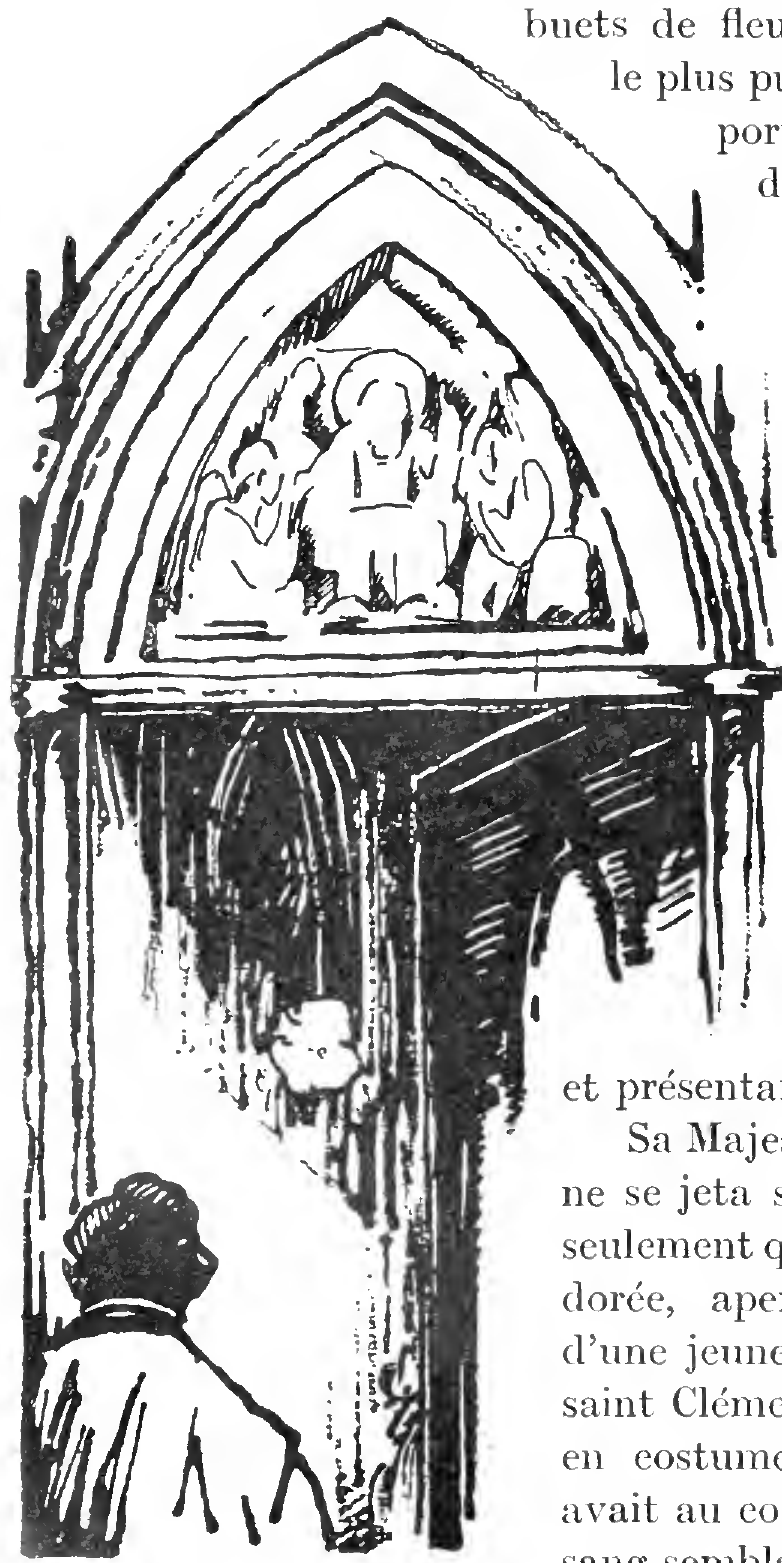
quets of flowers. The sweet odor of the purest incense poured out in swirls from the door of the sanctuary. The chapel, gilded anew, was very small, but very lofty. Julien noticed that there were on the altar candles more than fifteen feet tall. The young girls could not restrain a cry of admiration. Only the twenty-four young girls, the two curés, and Julien had been admitted into the little vestibule of the chapel.
Soon the king arrived, followed only by M. de La Mole and his grand chamberlain. The guards themselves remained outside, on their knees, presenting arms.
Her Majesty rushed rather than threw herself onto the prie-Dieu. It was only then that Julien, pressed against the gilded door, caught sight, over the bare arm of a young girl, of the charming statue of Saint Clement. It was hidden beneath the altar, in the costume of a young Roman soldier. He had a wide wound at his throat from which the blood seemed to flow. The artist had surpassedhimself; his dying eyes, but full of grace, were half closed. A nascent mustache adorned that charming mouth, which, half open, still seemed to be praying. At this sight, the young girl next to Julien wept hot tears; one of her tears fell on Julien's hand.
After a moment of prayer in the deepest silence, disturbed only by the distant sound of the bells of all the villages for ten leagues around, the Bishop of Agde asked the King's permission to speak. He concluded a very touching little discourse with simple words, but whose effect was only the more surely assured.
"Never forget, young Christians, that you have seen one of the greatest kings of the earth on his knees before the servants of this almighty and terrible God. These servants, weak, persecuted, murdered on earth, as you see by the still bleeding wound of Saint Clement, they triumph in heaven. Is it not so, young Christians, you will remember this day forever, you will detest the impious? Forever you will be faithful to this God so great, so terrible, but so good?"
At these words, the bishop rose with authority.
"You promise me?" he said, extending his arm with an inspired air.
"We promise," said the young girls, dissolving in tears.
"I receive your promise, in the name of the terrible God!" added the bishop in a thundering voice. And the ceremony was ended.
The King himself was weeping. It was only long afterward that Julien had enough composure to ask where were the bones of the saint sent from Rome to Philip the Good, Duke of Burgundy. He was told that they were hidden in the charming wax figure.
His Majesty deigned to permit the young ladies who had accompanied him into the chapel to wear a red ribbon on which were embroidered these words:
HATRED OF THE IMPIOUS, PERPETUAL ADORATION.
M. de La Mole had ten thousand bottles of wine distributed to the peasants. In the evening, at Verrières, the liberals found a reason to illuminate a hundred times better than the royalists. Before leaving, the King paid a visit to M. de Moirod.