About this book
Julien Sorel climbs from sawmill to salon, torn between the red of the army and the black of the church. Stendhal's 1830 novel, free to read online.
SENSIBILITY AND A GREAT DEVOUT LADY
A somewhat vivid idea there looks like a coarseness, so accustomed are people to words without relief. Woe to him who invents in speaking.
FAUBLAS.
AFTER several months of trials, this is where Julien stood on the day when the house steward handed him the third quarter of his salary. M. de La Mole had charged him with overseeing the administration of his lands in Brittany and Normandy. Julien made frequent journeys there. He was charged, as chief, with the correspondence relating to the famous lawsuit with the Abbé de Frilair. M. Pirard had instructed him in it.
From the brief notes that the Marquis scribbled in the margin of the papers of every kind addressed to him, Julien composed letters which were almost all signed.
At the school of theology, his professors complained of his lack of assiduity, but none the less regarded him as one of their most distinguished pupils. These various labours, undertaken with all the ardour of a suffering ambition, had very quickly taken from Julien the fresh colours he had brought from the provinces. His pallor was a merit in the eyes of the young seminarians his comrades; he found them much less malicious, much less on their knees before a crown piece than those of Besançon; they believed him attacked in the chest. The Marquis had given him a horse.
Fearing to be met on his rides on horseback, Julien had told them that this exercise was prescribed for him by the doctors. The Abbé Pirard had taken him into several Jansenist circles. Julien was astonished; the idea of religion was invincibly linked in his mind with that of hypocrisy and the hope of making money. He admired these pious and severe men who did not think of the budget. Several Jansenists had taken a liking to him and gave him advice. A new world was opening before him. He met among the Jansenists a Comte Altamira who was nearly six feet tall, a liberal condemned to death in his own country, and devout. This strange contrast, devotion and the love of liberty, struck him.
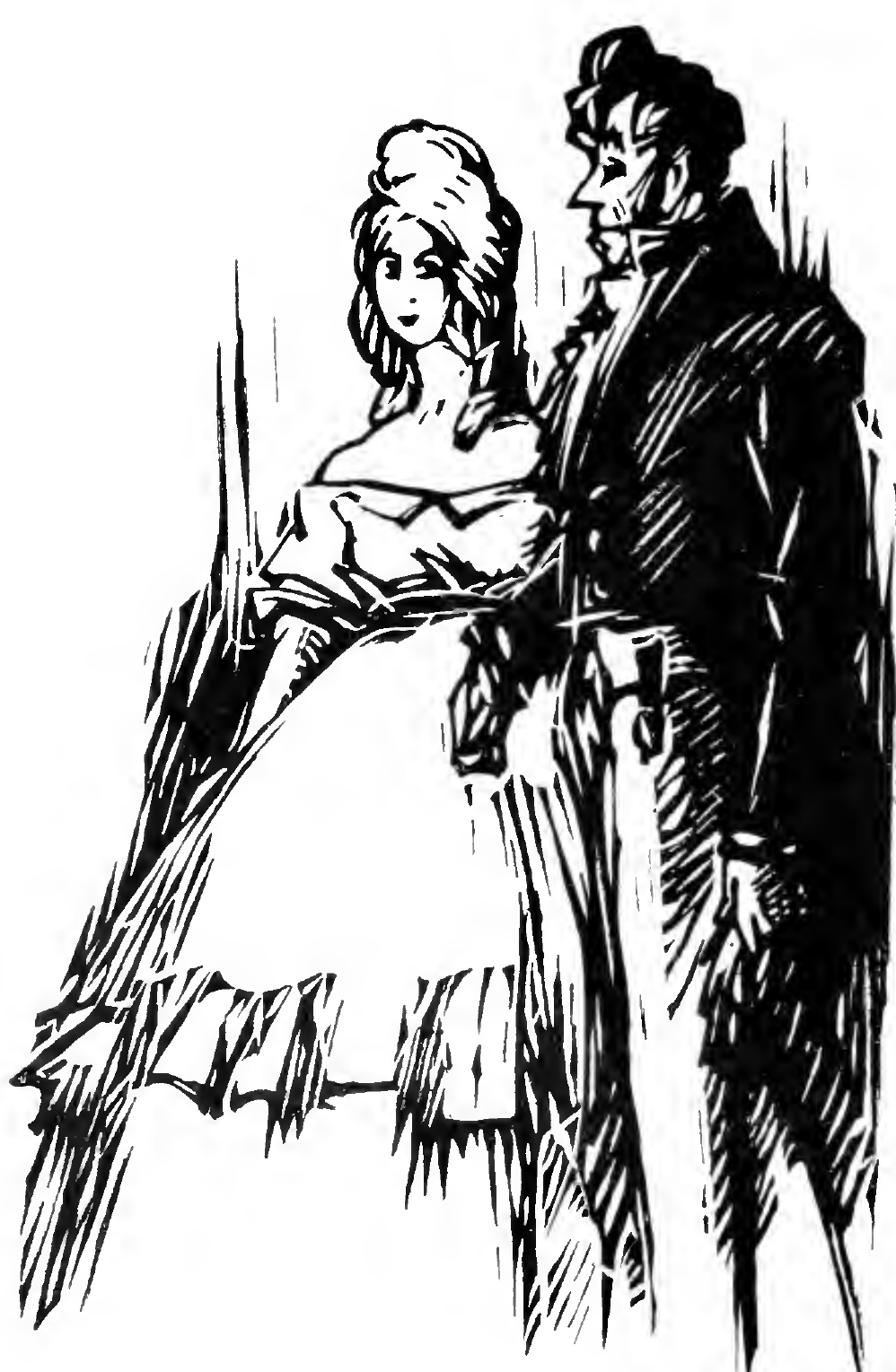
Julien was on cool terms with the young Count. Norbert had found that he answered too sharply the pleasantries of some of his friends. Julien, having failed once or twice in the proprieties, had prescribed for himself never to address a word to Mademoiselle Mathilde. People were always perfectly polite to him at the Hôtel de La Mole; but he felt himself fallen. His provincial common sense explained this effect by the vulgar proverb, all beautiful, all new.
Perhaps he was a little more clear-sighted than in the first days, or else the first enchantment produced by Parisian urbanity had passed.
As soon as he stopped working, he was prey to a mortal boredom; such is the drying effect of that admirable politeness, but so measured, so perfectly graduated according to positions, which distinguishes high society. A somewhat sensitive heart sees the artifice.
No doubt, the provinces may be reproached with a common orimpolite tone; but people grow a little impassioned in answering you. Never at the Hôtel de La Mole was Julien's self-esteem wounded; but often, at the end of the day, he felt inclined to weep. In the provinces, a café waiter takes an interest in you if some accident befalls you as you enter his café; but if this accident offers something disagreeable to self-esteem, while pitying you he will repeat ten times the word that tortures you. In Paris, people have the attention to hide themselves in order to laugh, but you are always a stranger.
.
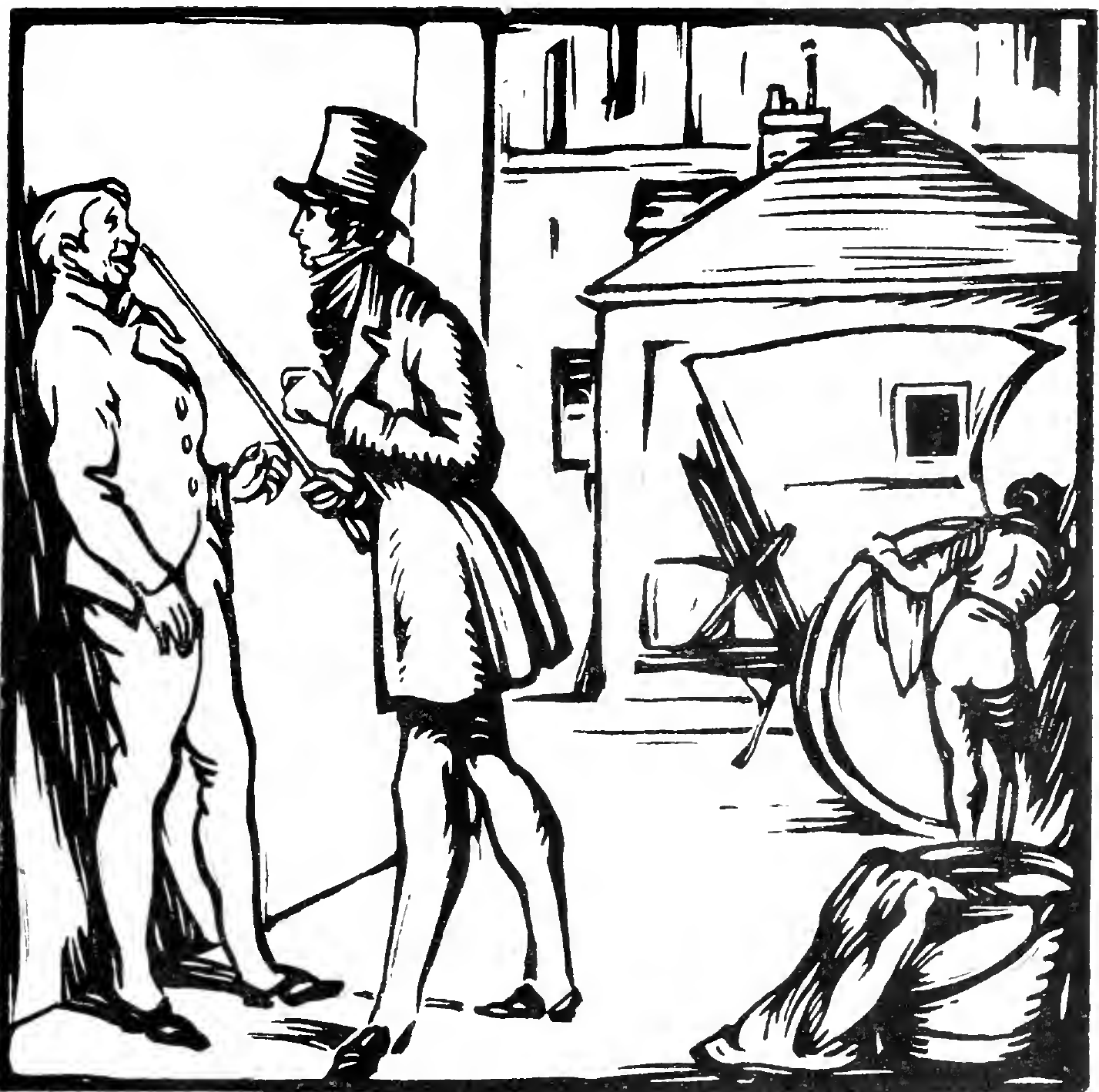
We pass over in silence a multitude of little adventures which would have made Julien ridiculous, had he not been in some sort beneath ridicule. A mad sensibility made him commit thousands of awkwardnesses. All his pleasures were precautionary: he practised with the pistol every day, he was one of the good pupils of the most famous fencing masters. As soon as he could dispose of a moment, instead of employing it in reading as formerly, he ran to the riding-school and asked for the most vicious horses. In the rides with the master of the riding-school, he was almost regularly thrown to the ground.
The Marquis found him convenient because of his obstinate work, his silence, his intelligence, and little by little he entrusted him with the conduct of all the affairs that were somewhat difficult to unravel.
In the moments when his high ambition left him some relaxation, the Marquis did business with sagacity; within reach of news, he speculated in annuities with good fortune. He bought houses, woods; but he easily took offense. He would give away hundreds of louis and go to law over hundreds of francs. Rich men of lofty heart seek amusement in business and not results. The Marquis needed a chief of staff who would bring a clear and easily grasped order to all his money affairs.
Madame de La Mole, although of so measured a character, sometimes made fun of Julien. The unforeseen, produced by sensibility, is the horror of great ladies; it is the antipode of propriety. Two or three times the Marquis took his side: if he is ridiculous in your drawing room, he triumphs in his study. Julien, for his part, believed he had grasped the Marquise's secret. She deigned to take an interest in everything

as soon as the Baron de la Joumate was announced. He was a cold being, with an impassive countenance. He was tall, thin, ugly, very well dressed, spent his life at the Château, and, in general, said nothing about anything. Such was his way of thinking. Madame de La Mole would have been passionately happy, for the first time in her life, if she could have made him her daughter's husband.