About this book
Julien Sorel climbs from sawmill to salon, torn between the red of the army and the black of the church. Stendhal's 1830 novel, free to read online.
LXXV
I cannot play that poor abbé Chas-Bernard the nasty trick of sending for him, he said to Fouqué; he would not eat a bite for three days. But try to find me a Jansenist, a friend of M. Girard and inaccessible to intrigue.
Fouqué had been impatiently awaiting this opening. Julien acquitted himself with decency of all that one owes to opinion, in the provinces. Thanks to M. l'abbé de Frilair, and despite the bad choice of his confessor, Julien was in his dungeon the protégé of the Congregation; with more conduct, he might have escaped. But the foul air of thedungeon producing its effect, his reason was diminishing. He was only the happier at Madame de Rênal's return.
— My first duty is to you, she said to him as she embraced him; I have escaped from Verrières...
Julien had no petty vanity where she was concerned; he told her all his weaknesses. She was good and charming to him.
In the evening, scarcely out of the prison, she summoned to her aunt's house the priest who had attached himself to Julien as to a prey: as he wanted only to gain credit with the young women belonging to the high society of Besançon, Madame de Rênal easily persuaded him to go and say a ninth [mass] at the abbey of Bray-le-Haut.
No words could convey the excess and madness of Julien's love.
By dint of gold, and by using and abusing the credit of her aunt, a celebrated and wealthy dévote, Madame de Rênal obtained leave to see him twice a day.
At this news, Mathilde's jealousy rose to the point of frenzy. M. de Frilair had confessed to her that all his credit did not extend to braving all proprieties to the point of allowing her to see her friend more than once each day. Mathilde had Madame de Rênal followed in order to learn her slightest movements. M. de Frilair exhausted all the resources of a most adroit mind to prove to her that Julien was unworthy of her.
In the midst of all these torments she loved him only the more, and almost every day made him a horrible scene.
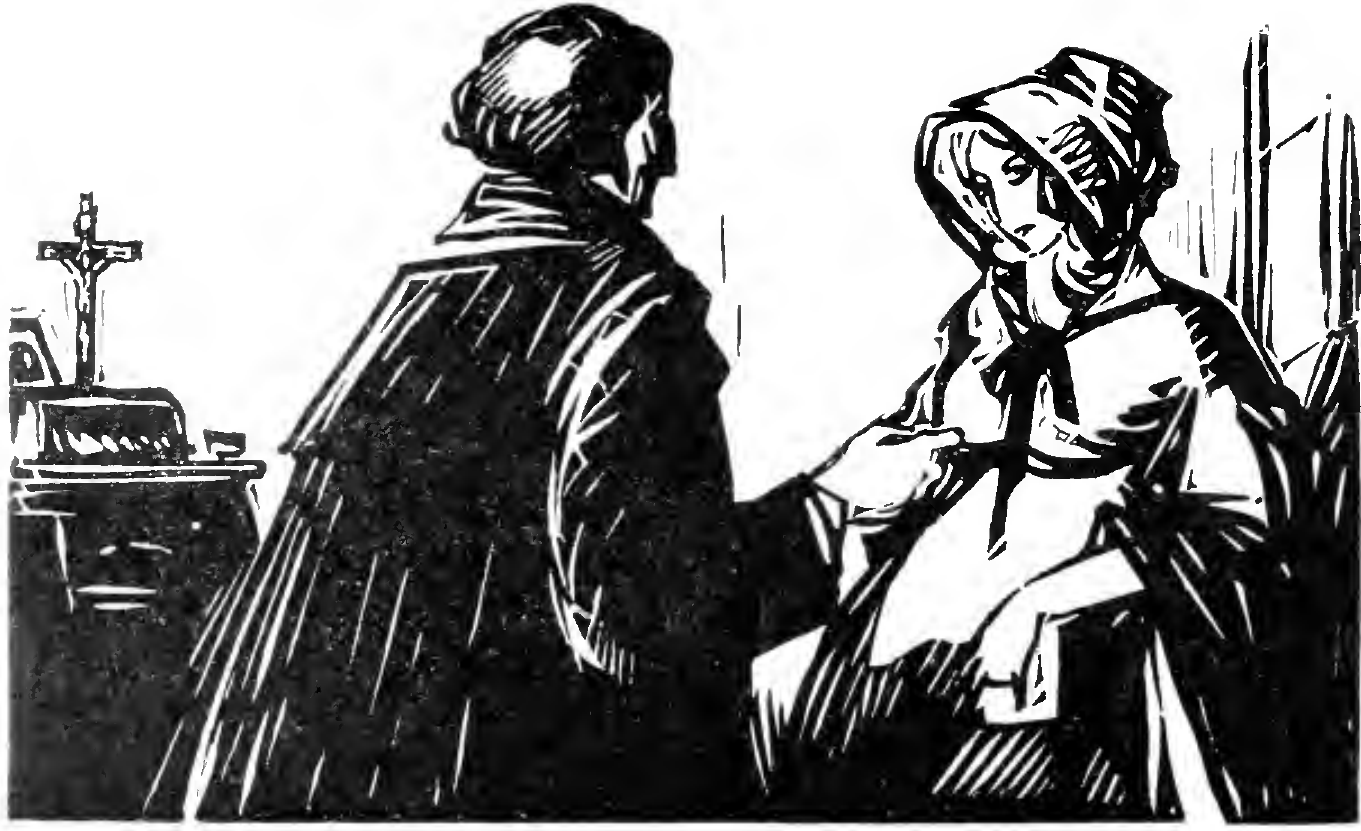
Julien wanted with all his might to be an honest man to the end toward this poor girl whom he had so strangely compromised; but, at every moment, the unbridled love he had for Madame de Rênal carried the day. When, by bad reasons, he could not succeed in persuading Mathilde of the innocence of his rival's visits: Henceforth, the end of the drama must be very near, he said to himself; it is an excuse for me if I do not know how to dissemble better.
Mademoiselle de La Mole learned of the death of the marquis de Croisenois. M. de Thaler, that man so rich, had permitted himself unpleasant remarks about Mathilde's disappearance; M. de Croisenois went to beg him to deny them: M. de Thaler showed him anonymous letters addressed to himself, and filled with details combined with so much art that it was impossible for the poor marquis not to glimpse the truth.
M. de Thaler permitted himself jokes devoid of finesse. Drunk with rage and misfortune, M. de Croisenois demanded reparations so strong that the millionaire preferred a duel. Stupidity triumphed; and one of the men most worthy of being loved met his death at twenty-four.
This death made a strange and morbid impression on Julien's weakened soul.
— Poor Croisenois, he said to Mathilde, was really a very reasonable and very honest man toward us; he ought to have hated me for your imprudences in Madame your mother's drawing room, and sought a quarrel with me; for the hatred that succeeds contempt is ordinarily furious.
M. de Croisenois's death changed all Julien's ideas about Mathilde's future; he spent several days proving to her that she ought to accept M. de Luz's hand. He is a timid man, not too much of a Jesuit, he said to her, and who will doubtless enter the lists. Of an ambition more somber and more sustained than poor Croisenois, and without a duchy in his family, he will make no difficulty about marrying the widow of Julien Sorel.
— And a widow who despises great passions, coldly replied Mathilde; for she has lived long enough to see, after six months, her lover prefer another woman to her, the origin of all their misfortunes.
— You are unjust; Madame de Rênal's visits will furnish singular phrases for the Paris lawyer charged with my appeal for mercy; he will paint the murderer honored by the care of his victim. That can produce an effect, and perhaps one day you will see me the subject of some melodrama, etc., etc.
A furious jealousy impossible to avenge, the continuity of a misfortune without hope (for, even supposing Julien saved, how was she to regain his heart?), the shame and the grief of loving more than ever this unfaithful lover had plunged Mademoiselle de La Mole into a gloomy silence, from which neither the eager attentions of M. de Frilair nor the rough frankness of Fouqué could draw her out.
As for Julien, except in the moments usurped by Mathilde's presence, he lived on love and scarcely thought of the future. By a strange effect of this passion, when it is extreme and without any feigning, Madame de Rênal almost shared his unconcern and his gentle gaiety.
— Formerly, Julien said to her, when I might have been so happy during our walks in the woods of Vergy, a fiery ambition drew my soul away into imaginary lands. Instead of pressing to my heart this charming arm that was so near my lips, the future tore me from you; I was in the innumerable combats I would have to sustain to build a colossal fortune... No, I would have died without knowing happiness, if you had not come to see me in this prison.
Two events came to trouble this tranquil life. Julien's confessor, Jansenist as he was, was not proof against an intrigue of the Jesuits, and, without knowing it, became their instrument.
He came one day to tell him that, unless he fell into the dreadful sin of suicide, he must take every possible step to obtain his pardon. Now, the clergy having great influence in the Ministry of Justice in Paris, an easy means presented itself; he must be converted with éclat.
— With éclat! repeated Julien. Ah! I catch you at it, you too, my father, playing the comedy like a missionary...
— Your age, gravely resumed the Jansenist, the interesting face that you hold from Providence, the very motive of your crime, which remains inexplicable; the heroic steps that Mademoiselle de La Mole lavishes in your favor, everything, in short, down to the astonishing friendship that your victim shows for you, all has contributed to making you the hero of the young women of Besançon. They have forgotten everything for you, even politics... Your conversion would resound in their hearts and would leave a profound impression there.You can be of major utility to religion, and I would hesitate for the frivolous reason that the Jesuits would follow the same course on such an occasion! Thus, even in this particular case which escapes their rapacity, they would still...! Let it
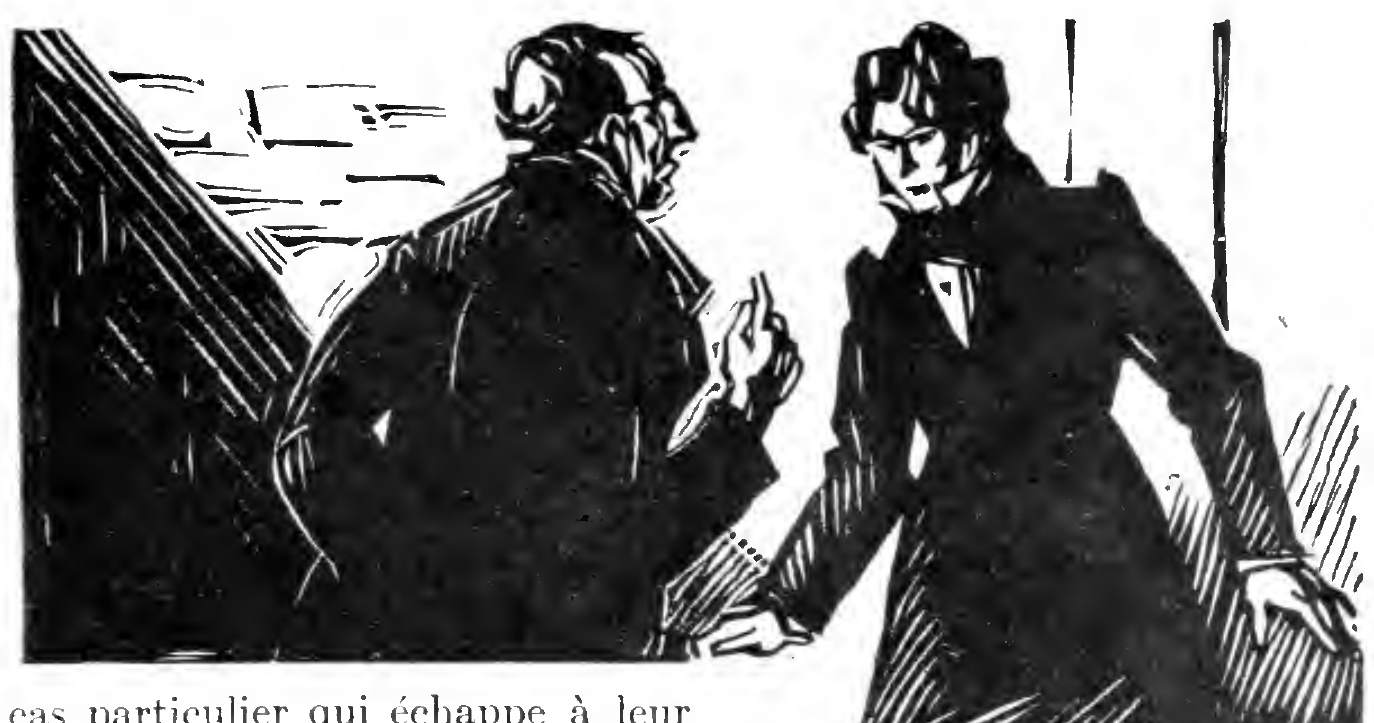
not be so... The tears that your conversion will make flow will annul the corrosive effect of ten editions of Voltaire's works.
“And what will be left to me,” Julien replied coldly, “if I despise myself? I have been ambitious, and I do not wish to blame myself; then I acted according to the proprieties of the time. Now I live from day to day. But looking at things broadly, I should make myself very unhappy if I were to give in to some baseness…”
The other incident, which was far more painful to Julien, came from Madame de Rênal. I do not know what scheming woman friend had managed to persuade that naive and so timid soul that it was her duty to leave for Saint-Cloud and go throw herself at the knees of King Charles X.
She had made the sacrifice of separating from Julien, and after such an effort, the unpleasantness of making a spectacle of herself, which at other times would have seemed to her worse than death, was nothing in her eyes now.
“I will go to the king, I will loudly vow that you are my lover: the life of a man, and of a man such as Julien, must outweigh all considerations. I will say that it was out of jealousy that you attempted my life. There are numerous examples of poor young men saved in such cases by the humanity of the jury, or that of the king…”
“I shall stop seeing you, I shall have my prison closed to you,” Julien cried out, “and most certainly the next day I shall kill myself in despair, if you do not swear to me to take no step that makes a public spectacle of us both. This idea of going to Paris did not come from you. Tell me the name of the scheming woman who suggested it to you…”
Let us be happy during the small number of days of this short
[life]; let us do what is humanly possible. Here in the provinces, I have against me all the rich and respected people. Your step would stir up those rich people still more, and especially the moderates, for whom life is such an easy thing… Let us not give Maslon, Valenod, and a thousand people who are worth more, something to laugh at.
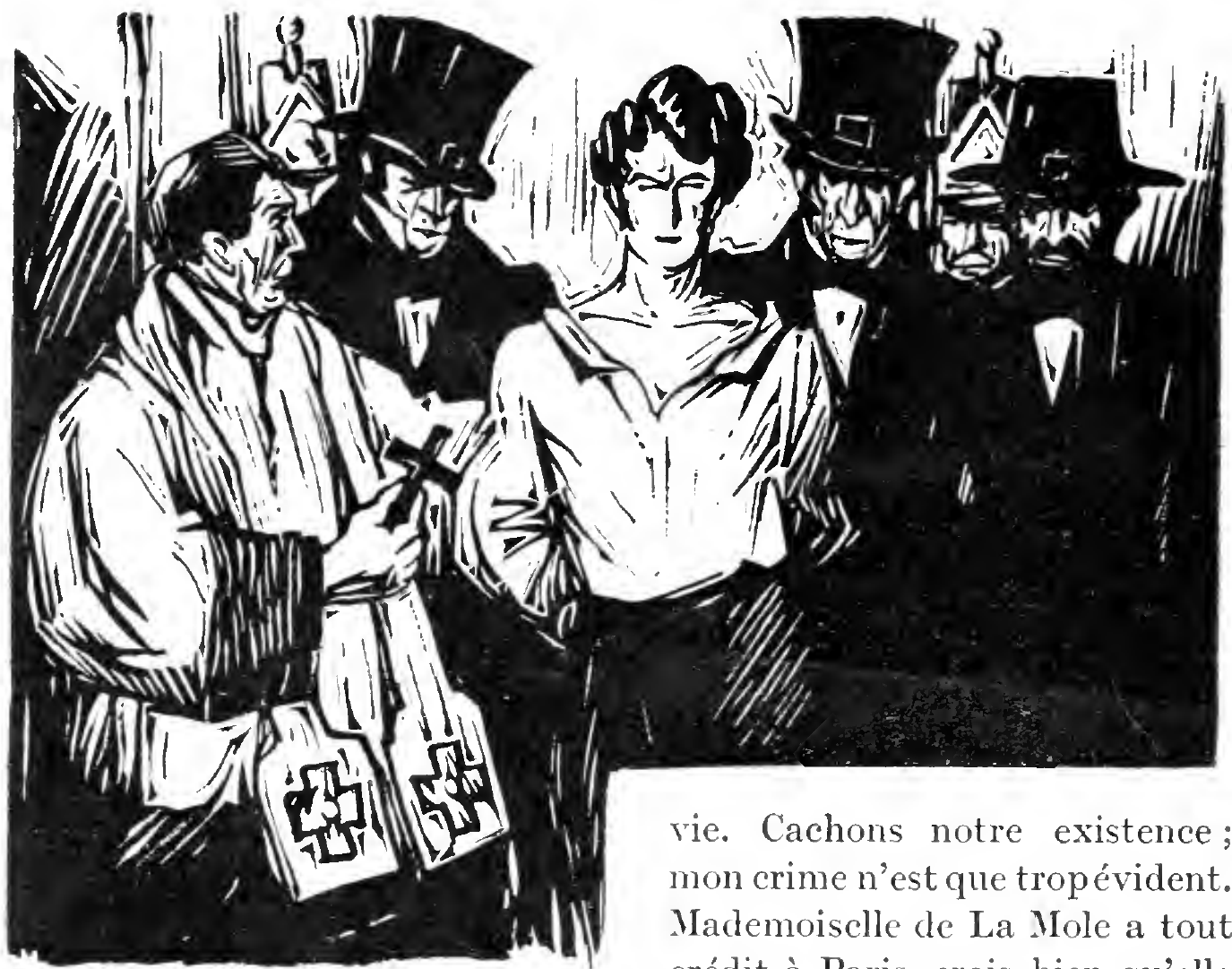
The foul air of the dungeon was becoming unbearable to Julien. Fortunately, on the day he was told he must die, a beautiful sun was gladdening nature, and Julien was in a mood for courage. Walking in the open air was a delicious sensation for him, like the walk on land for the sailor who has long been at sea. Come, all is well, he said to himself, I do not lack courage.
Never had that head been so poetic as at the moment when it was about to fall. The sweet moments he had once found in the woods of Vergy came crowding back into his thoughts with extreme energy.
Everything passed simply, decently, and on his part without any affectation.
Two days before, he had said to Fouqué: As for emotion, I cannot answer for that; this dungeon, so ugly, so damp, gives me moments offever in which I do not recognize myself; but as for fear, no, no one will see me turn pale.
He had made his arrangements in advance so that, on the morning of the last day, Fouqué should carry off Mathilde and Madame de Rênal. Taken away in the same carriage, he had told him. Arrange matters so that the post horses do not leave the gallop. They will fall into each other's arms, or will show each other a mortal hatred. In either case, the poor women will be a little distracted from their dreadful grief.
Julien had exacted from Madame de Rênal the oath that she would live to give care to Mathilde's son.
— Who knows? perhaps we still have sensations after our death, he said one day to Fouqué. I should rather like to rest, since rest is the word, in that little grotto of the great mountain that dominates Verrières. Several times, I have told you, retiring at night into that grotto, and my gaze plunging far into the richest provinces of France, ambition has inflamed my heart: then that was my passion... In short, that grotto is dear to me, and one cannot deny that it is situated in a fashion to make a philosopher's soul envious... well then! those good congregationists of Besançon make money out of everything; if you know how to go about it, they will sell you my mortal remains...
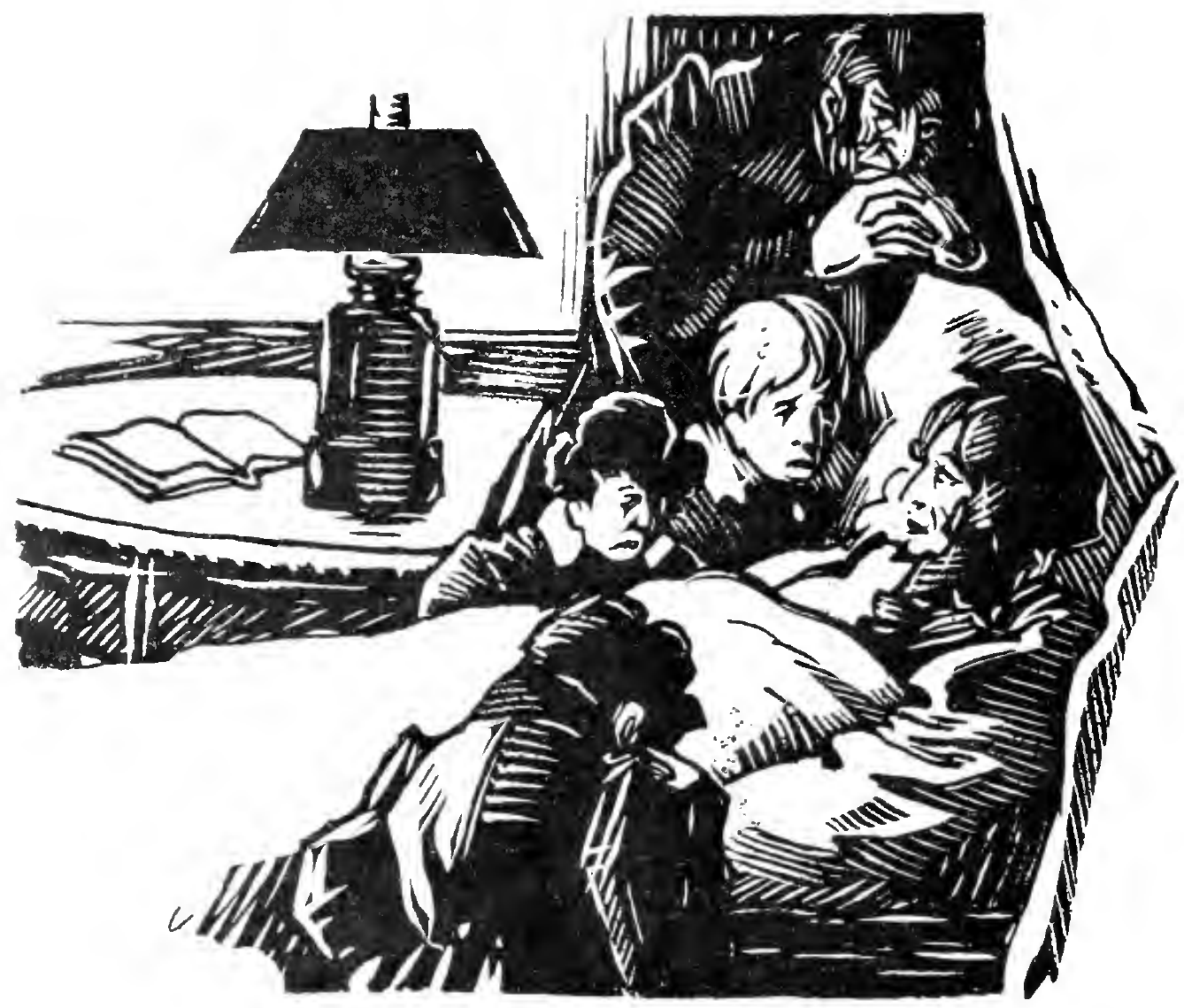
Fouqué succeeded in this sad negotiation. He was spending the night alone in his room, beside the body of his friend, when, to his great surprise, he saw Mathilde enter. A few hours earlier he had left her ten leagues from Besançon. She had a wild look in her eyes and face.
— I want to see him, she said.
Fouqué did not have the courage to speak or to rise. He pointed to a great blue cloak on the floor; there was wrapped up what remained of Julien.
She threw herself on her knees. The memory of Boniface de La Mole and of Marguerite de Navarre doubtless gave her superhuman courage. Her trembling hands opened the cloak. Fouqué turned away his eyes.
:
:
:
:
:
He heard Mathilde walking hastily about the room. She was lighting several candles. When Fouqué had the strength to look at her, she had placed on a little marble table before her the head of Julien, and was kissing it on the brow...
Mathilde followed her lover to the tomb he had chosen. A great number of priests escorted the coffin, and unknown to all, alone in her draped carriage, she carried on her knees the head of the man she had loved so much.
:
:::
Arrived thus near the highest point of one of the high mountains of the Jura, in the middle of the night, in that little grotto magnificently illuminated by an infinite number of tapers, twenty priests celebrated the service of the dead. All the inhabitants of the little villages of the mountain, through which the procession had passed, had followed it, drawn by the singularity of this strange ceremony.
Mathilde appeared in the midst in long mourning garments, and at the end of the service had several thousand five-franc pieces thrown to them.
Left alone with Fouqué, she wished to bury with her own hands the head of her lover. Fouqué almost went mad with grief.
Through Mathilde's care, this wild grotto was adorned with marbles sculpted at great expense in Italy.
Madame de Rênal was faithful to her promise. She sought in no way to attempt her own life; but three days after Julien, she died while embracing her children.
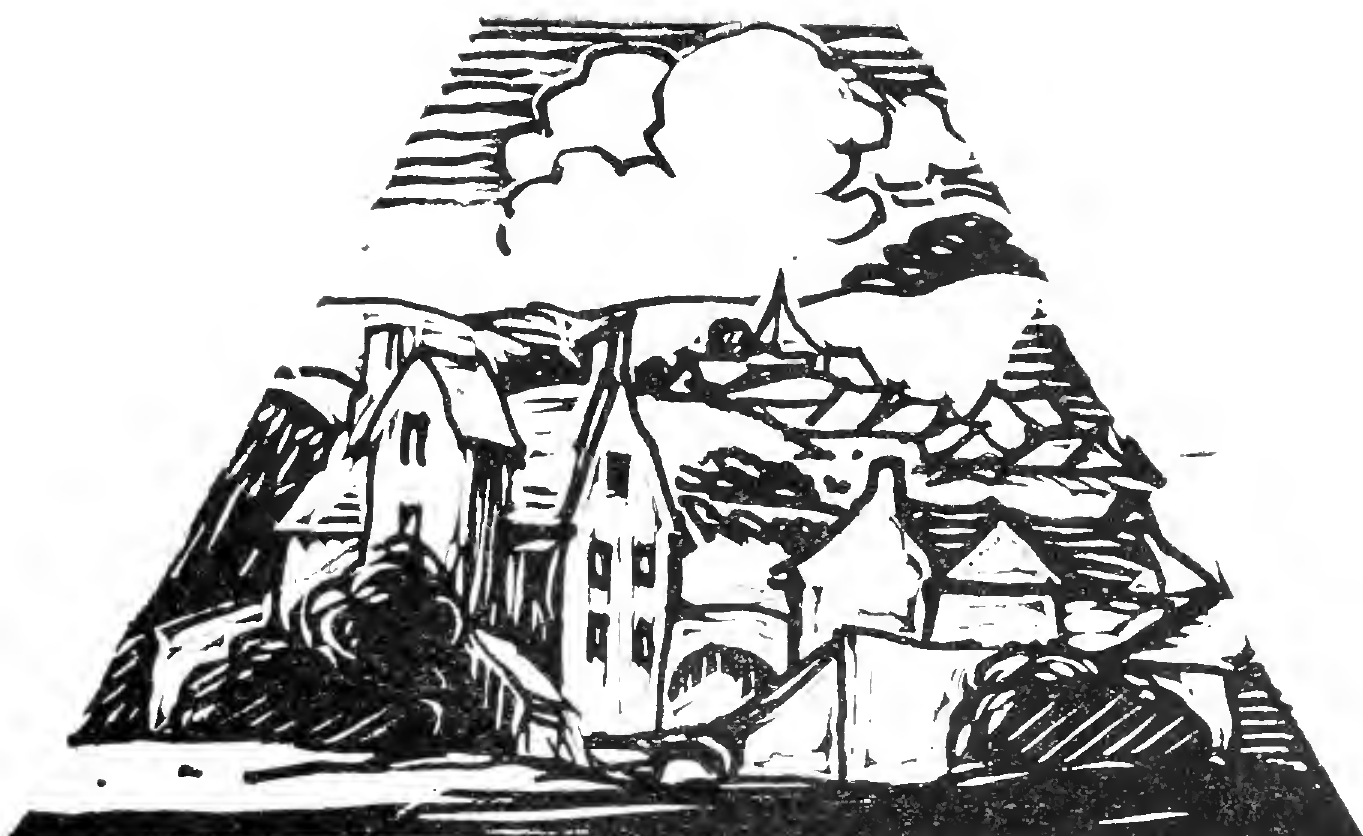
The inconvenience of the reign of opinion, which moreover procures liberty, is that it meddles in what is none of its business; for example: private life. Hence the sadness of America and of England. To avoid touching on private life, the author has invented a little town, Verrières, and, when he needed a bishop, a jury, a court of assizes, he placed all that at Besançon, where he has never been.