About this book
Julien Sorel climbs from sawmill to salon, torn between the red of the army and the black of the church. Stendhal's 1830 novel, free to read online.
MANON LESCAUT
Now, once he was well convinced of the stupidity and folly of the prior, he ordinarily succeeded by calling black what was white, and white what was black.
LICHTENBERG.
One evening, at the Opera, in Madame de Fervagues's box, Julien extolled to the skies the ballet of Manon Lescaut. His only reason for speaking thus was that he found it insignificant.
The marshale said that this ballet was far inferior to the novel by the abbé Prévost.
"What!" thought Julien, astonished and amused, "a person of such high virtue praising a novel!" Madame de Fervagues professed, two or three times a week, the most complete contempt for writers who, by means of these insipid works, seek to corrupt a youth that is, alas! only too disposed to the errors of the senses.
"In this immoral and dangerous genre, Manon Lescaut," continued the marshale, "occupies, they say, one of the first ranks. The weaknesses and the deserved anguish of a very criminal heart are, they say, depicted there with a truth that has depth; which does not prevent your Bonaparte from declaring at Saint Helena that it is a novel written for lackeys."
These words restored all of Julien's soul to activity. They have tried to ruin me with the marshal; they told her of my enthusiasm for Napoleon. This fact stung her enough for her to yield to the temptation of making me feel it. This discovery amused her all evening and made him amusing. As he was taking leave of the marshal in the vestibule of the Opera: "Remember, Monsieur," she said to him, "that one must not love Bonaparte when one loves me; at most one may accept him as a necessity imposed by Providence. Besides, that man did not have a soul flexible enough to feel the masterpieces of the arts."
When one loves me! Julien repeated to himself; that means nothing, or it means everything. There are secrets of language that our poor provincials lack. And he thought a great deal about Madame de Rênal, while copying an immense letter intended for the marshal.
"How does it happen," she said to him the next day with an air of indifference that he found badly played, "that you speak to me of London and of Richmond in a letter that you wrote yesterday evening, it seems, on leaving the Opera?"
Julien was very embarrassed; he had copied line by line, without thinking about what he was writing, and apparently had forgotten to substitute for the words London and Richmond, which were in the original, those of Paris and Saint-Cloud. He began two or three sentences, but without any possibility of finishing them; he felt himself on the point of yielding to wild laughter. Finally, searching for his words, he arrived at this idea: Exalted by the discussion of the most sublime, the greatest interests of the human soul, mine, in writing to you, may have had a distraction.
I am producing an impression, he said to himself, therefore I can spare myself the boredom of the rest of the evening. He rushed out of the Hôtel de Fervagues. In the evening, on seeing again the original of the letter he had copied the day before, he quickly came to the fatal passage where the young Russian spoke of London and Richmond. Julien was quite astonished to find this letter almost tender.
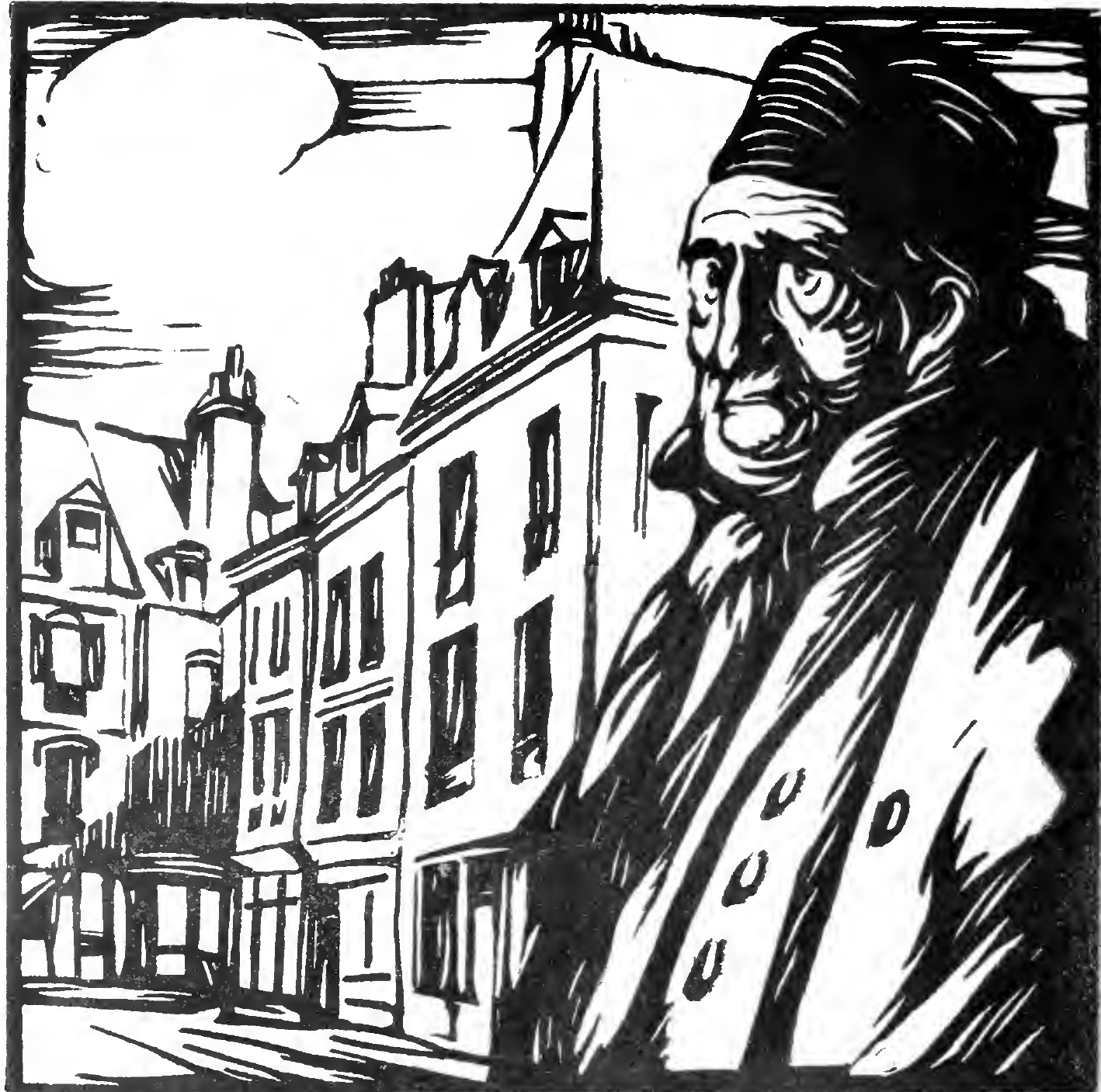
It was the contrast between the apparent frivolity of his conversation and the sublime, almost apocalyptic depth of his letters that had singled him out. The length of his sentences was what especially pleased the Maréchale; this was not that hopping style brought into fashion by Voltaire, that immoral man! Although our hero did everything in the world to banish every kind of common sense from his conversation, it still had an anti-monarchical and impious colouring that did not escape Madame de Fervagues. Surrounded by eminently moral personages, but who often did not have a single idea in an evening, this lady was deeply struck by anything that resembled a novelty; but at the same time, she believed she owed it to herself to be offended by it. She called this defect keeping the imprint of the frivolity of the age...
But such salons are only worth seeing when one is soliciting. All the boredom of this interestless life that Julien led is doubtless shared by the reader. These are the wastelands of our journey.
During all the time usurped in Julien's life by the Fervagues episode, Mademoiselle de La Mole had to force herself not to think of him. Her soul was prey to violent
struggles: sometimes she flattered herself that she despised this young man so sad; but, in spite of herself, his conversation captivated her. What astonished her above all was his perfect falseness; he did not say a single word to the Maréchale that was not a lie, or at least an abominable disguise of his way of thinking, which Mathilde knew so perfectly on almost every subject. This machiavellism struck her. What depth! she said to herself; what a difference from the pompous simpletons or the common rascals, such as M. Tambeau, who hold the same language!
However, Julien had frightful days. It was to fulfil the most painful of duties that he appeared each day in the Maréchale's salon. His efforts to play a role finished by robbing his soul of all its strength. Often at night, as he crossed the immense courtyard of the Hôtel de Fervagues, it was only by dint of character and reasoning that he managed to keep himself a little above despair.
I conquered despair at the seminary, he said to himself: yet what a frightful prospect I had then! I was making or marring my fortune: in either case, I saw myself obliged to spend my whole life in intimate society with what is most contemptible and most disgusting under heaven. The following spring, only eleven short months later, I was perhaps the happiest of the young men of my age.
But very often all these fine reasonings were without effect against the frightful reality. Each day he saw Mathilde at lunch and at dinner. From the numerous letters that M. de La Mole dictated to him, he knew she was on the eve of marrying M. de Croisenois. Already this amiable man appeared twice a day at the Hôtel de La Mole: the jealous eye of a forsaken lover did not miss a single one of his comings and goings.
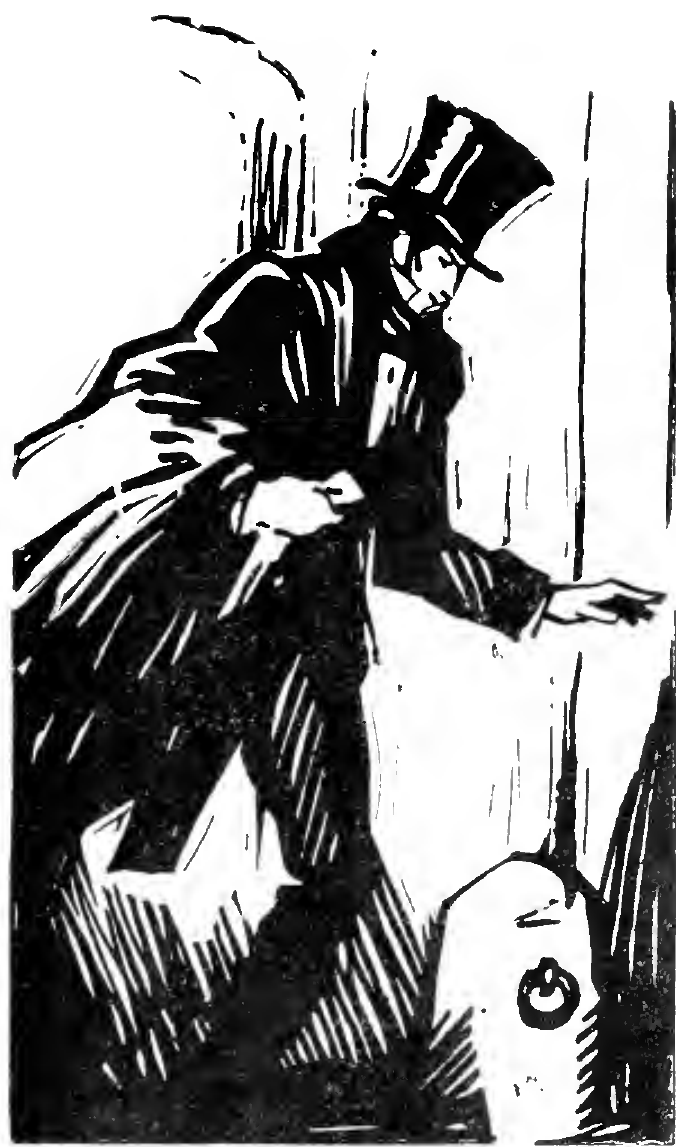
When he had thought he saw that Mademoiselle de La Mole treated her intended well, on returning home Julien could not help looking at his pistols with love.
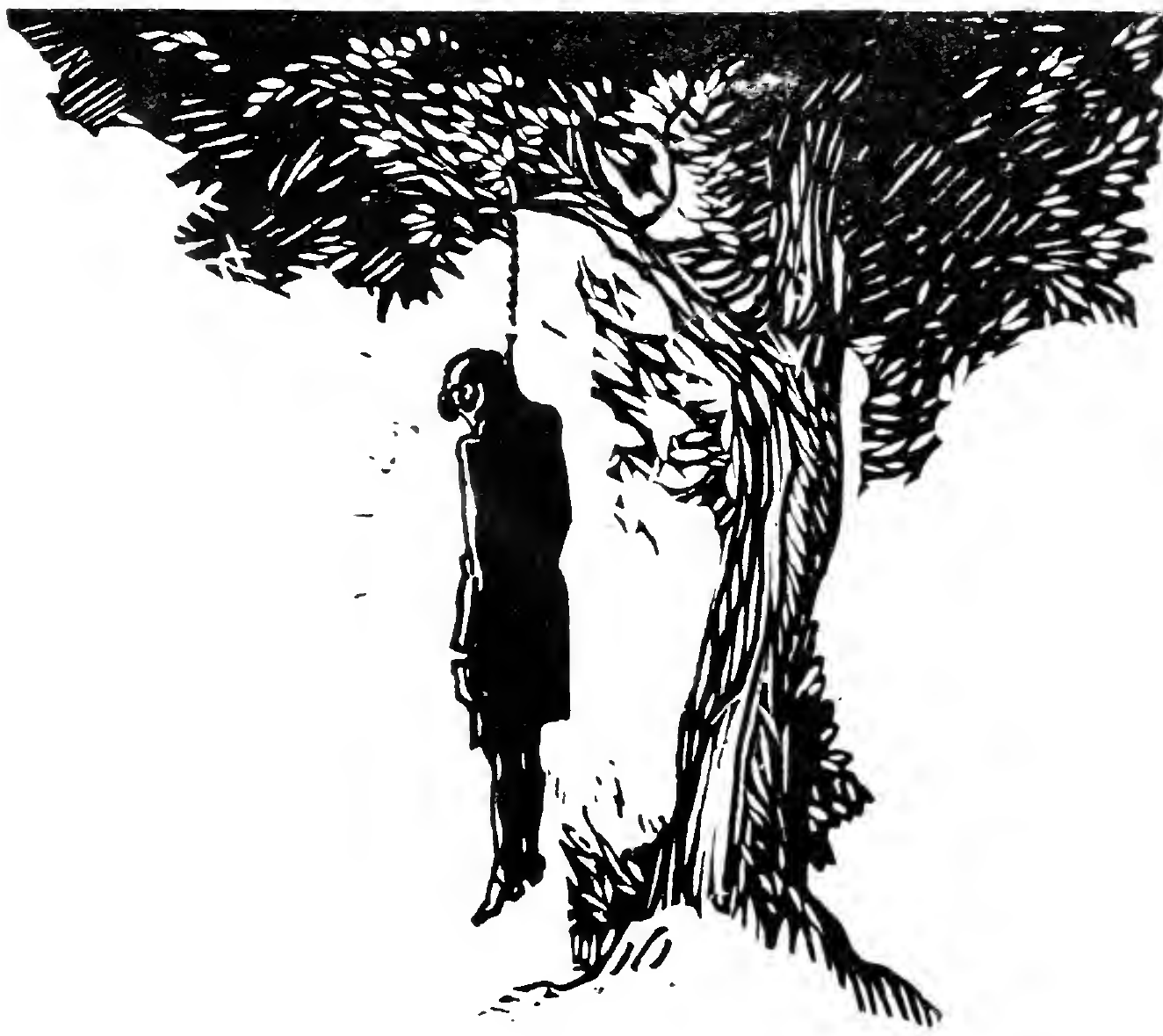
Ah! how much wiser I should be, he said to himself, to mark my linen and go into some solitary forest, twenty leagues from Paris, to end this execrable life! Unknown in the country, my death would be hidden for a fortnight, and who would think of me after a fortnight!
This reasoning was very wise. But the next day, Mathilde's arm, glimpsed between the sleeve of her dress and her glove, was enough to plunge our young philosopher into cruel memories, which nevertheless attached him to life. Well then! he said to himself, I shall follow this Russian policy to the end. How will it finish?
With regard to the Maréchale, certainly, after having transcribed those fifty-three letters, I shall write no more.
With regard to Mathilde, these six weeks of such painful comedy will either change nothing in her anger, or will obtain for me a moment of reconciliation. Great God! I should die of happiness! And he could not finish his thought.
When, after a long reverie, he managed to resume his reasoning: So, he said to himself, I should obtain one day of happiness, after which would begin again her severities founded, alas! on the little power I have to please her, and there would remain no resource for me, I should be ruined, lost for ever... What guarantee can she give me with her character? Alas! I shall lack elegance in my manners, my way of speaking will be heavy and monotonous. Great God! Why am I myself?