About this book
Julien Sorel climbs from sawmill to salon, torn between the red of the army and the black of the church. Stendhal's 1830 novel, free to read online.
ONE O'CLOCK IN THE MORNING
This garden was very large, laid out a few years since with perfect taste. But the trees were more than a century old. Something rustic was to be found there.
MASSINGER.
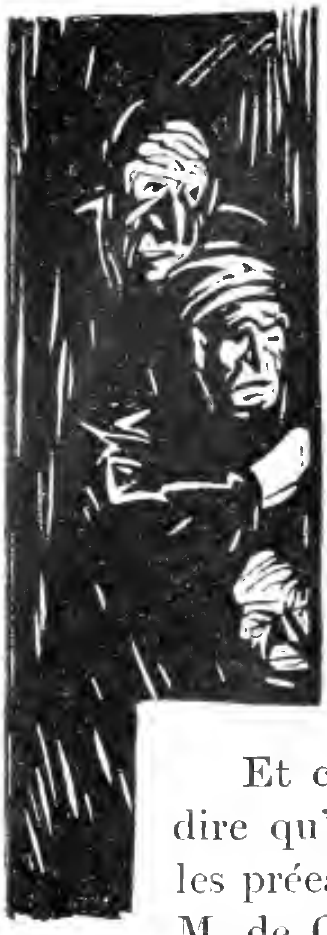
He was going to write a counter-order to Fouqué when eleven o'clock struck. He turned the lock of his bedroom door noisily, as if he had shut himself in. He went to observe on tiptoe what was happening throughout the house, especially on the fourth floor, occupied by the servants. There was nothing extraordinary. One of Madame de La Mole's chambermaids was holding a soirée, the servants were taking punch very gaily. Those who laugh like that, thought Julien, cannot be part of the nocturnal expedition, they would be more serious.
At last he went and placed himself in a dark corner of the garden. If their plan is to hide from the servants of the house, they will bring over the garden walls the men charged with surprising me.
If M. de Croisenois brings some coolness to all this, he must find it less compromising for the young person he wishes to marry not to have me surprised before the moment when I shall have entered her room.
He made a military and very exact reconnaissance. It is a question of my honor, he thought; if I fall into some blunder, it will not be an excuse in my own eyes to say to myself: I had not thought of it.
The weather was of a despairing serenity. Toward eleven o'clock the moon rose; at half past midnight it was fully lighting the facade of the hotel overlooking the garden.
She is mad, Julien was saying to himself. As one o'clock struck, there was still light at the windows of Count Norbert. In his life Julien had never been so afraid; he saw only the dangers of the enterprise, and had no enthusiasm at all.
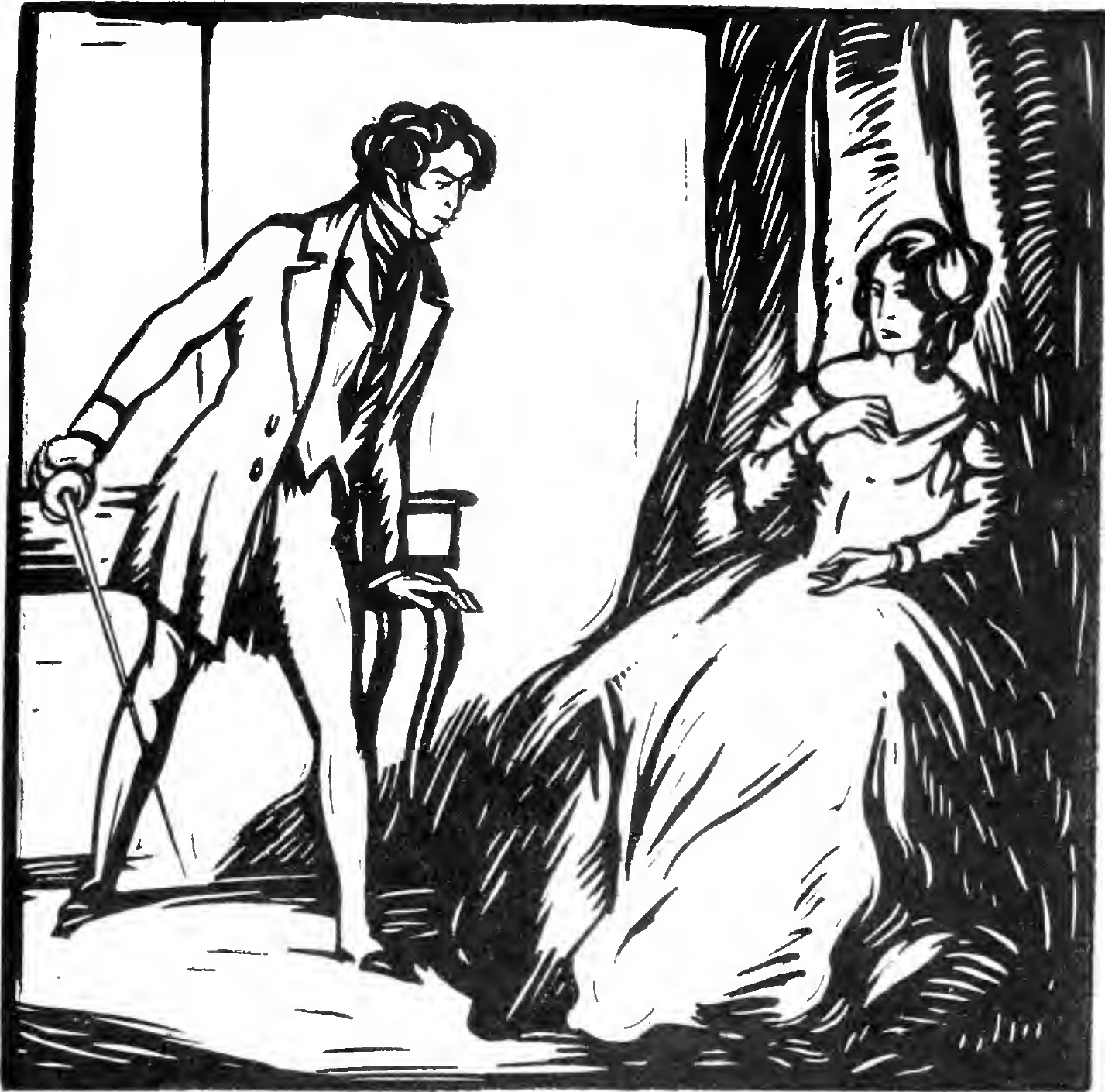
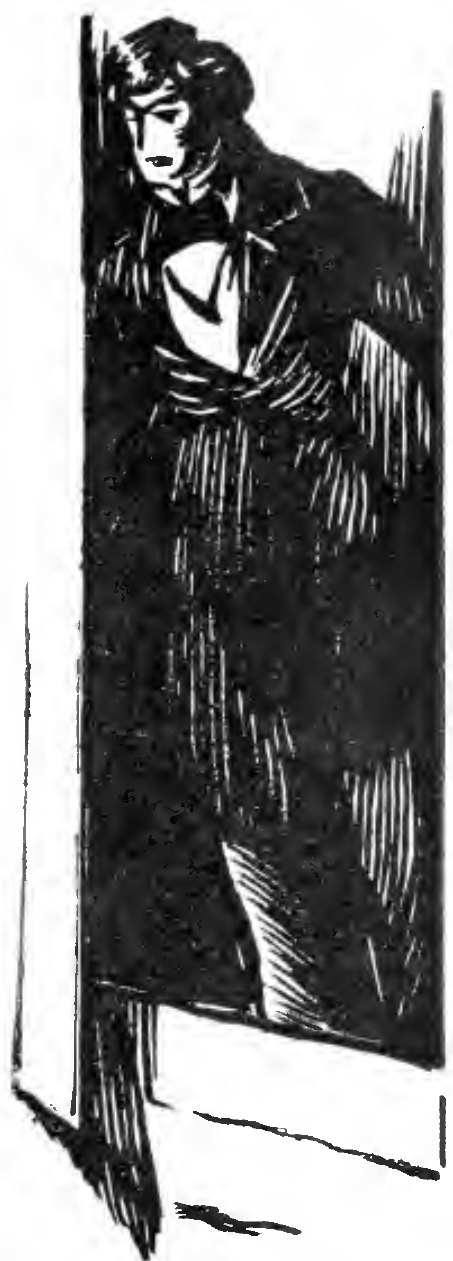
He went to take the immense ladder, waited five minutes, to leave time for a counterorder, and at five minutes past one placed the ladder against Mathilde's window. He climbed softly, pistol in hand, astonished not to be attacked. As he approached the window, it opened without a sound:
— There you are, Monsieur, Mathilde said to him with much emotion; I have been following your movements for an hour.
Julien was very embarrassed, he did not know how to conduct himself, he had no love at all. In his embarrassment, he thought that he must dare, he tried to kiss Mathilde.
— Fie, then! she said to him, pushing him back.
Very glad to be rebuffed, he hastened to cast a glance around him: the moon was so brilliant that the shadows it formed in Mademoiselle de La Mole's room were black. There may very well be men hidden there without my seeing them, he thought.
— What have you in the side pocket of your coat? Mathilde said to him, enchanted to find a subject of conversation. She was suffering strangely; all the feelings of restraint and timidity, so natural
to a well-born girl, had regained their empire and were putting her to torment.
"You have all sorts of weapons and pistols," replied Julien, no less pleased to have something to say.
"The ladder must be removed," said Mathilde.
"It is immense, and may break the windows of the drawing room below, or of the entresol."
"We must not break the windows," Mathilde went on, trying in vain to assume the tone of ordinary conversation; "you might, it seems to me, lower the ladder by means of a rope attached to the top rung. I always keep a supply of ropes in my room."
And this is a woman in love! thought Julien; she dares to say that she loves! So much composure, so much wisdom in her precautions tell me plainly enough that I am not triumphing over M. de Croisenois as I so foolishly believed, but simply succeeding him. In fact, what does it matter to me? Do I love her? I triumph over the Marquis in this sense, that he will be very angry to have a successor, and still more angry that the successor is I. With what haughtiness he looked at me last night at the Café Tortoni, pretending not to recognize me! with what a spiteful air he bowed to me afterwards, when he could no longer avoid it!
Julien had attached the rope to the bottom rung of the ladder; he lowered it gently, leaning far out over the balcony so that it should not touch the windows. A fine moment to kill me, thought he, if there is anyone hidden in Mathilde's room; but a profound silence continued to reign everywhere.
The ladder touched the ground. Julien managed to lay it down in the bed of exotic flowers along the wall.
"What will my mother say," said Mathilde, "when she sees her beautiful plants all crushed!... The rope must be thrown down," she added with great composure. "If it were seen going back up to the balcony, it would be a circumstance difficult to explain."
"And how am I to get away?" said Julien in a jesting tone, affecting the creole dialect. (One of the maids in the house had been born in Santo Domingo.)
"You, get away by the door," said Mathilde, delighted with the idea. Ah! how this man is worthy of all my love! she thought.
Julien had just let the rope fall into the garden; Mathilde gripped his arm. He thought he was seized by an enemy and turned sharply, drawing a dagger. She had thought she heard a window being opened. They stood motionless and without breathing. The moon shone full upon them. The noise not being repeated, there was no further alarm.
Then the awkwardness began again; it was great on both sides. Julien made sure the door was closed with all its bolts; he thought of looking under the bed, but did not dare; someone might have been posted there, one or two lackeys. At last, fearing a future reproach for his prudence, he looked.
Mathilde had fallen into all the agonies of the most extreme timidity. She was horrified at her position.
"What have you done with my letters?" she said at last.
What a good opportunity to confound these gentlemen if they are listening, and to avoid the battle! thought Julien.
"The first is hidden in a large Protestant Bible that the diligence of last evening is carrying far away from here."
He spoke very distinctly as he entered into these details, and in such a way as to be heard by anyone who might be hidden in two large mahogany wardrobes which he had not dared to inspect.
"The other two are at the post office, and are following the same route as the first."
"Good heavens! why all these precautions?" said Mathilde, frightened.
What reason have I to lie? thought Julien, and he confessed all his suspicions to her.
"So that is the cause of the coldness of your letters!" exclaimed Mathilde, with the accent of madness rather than of tenderness.
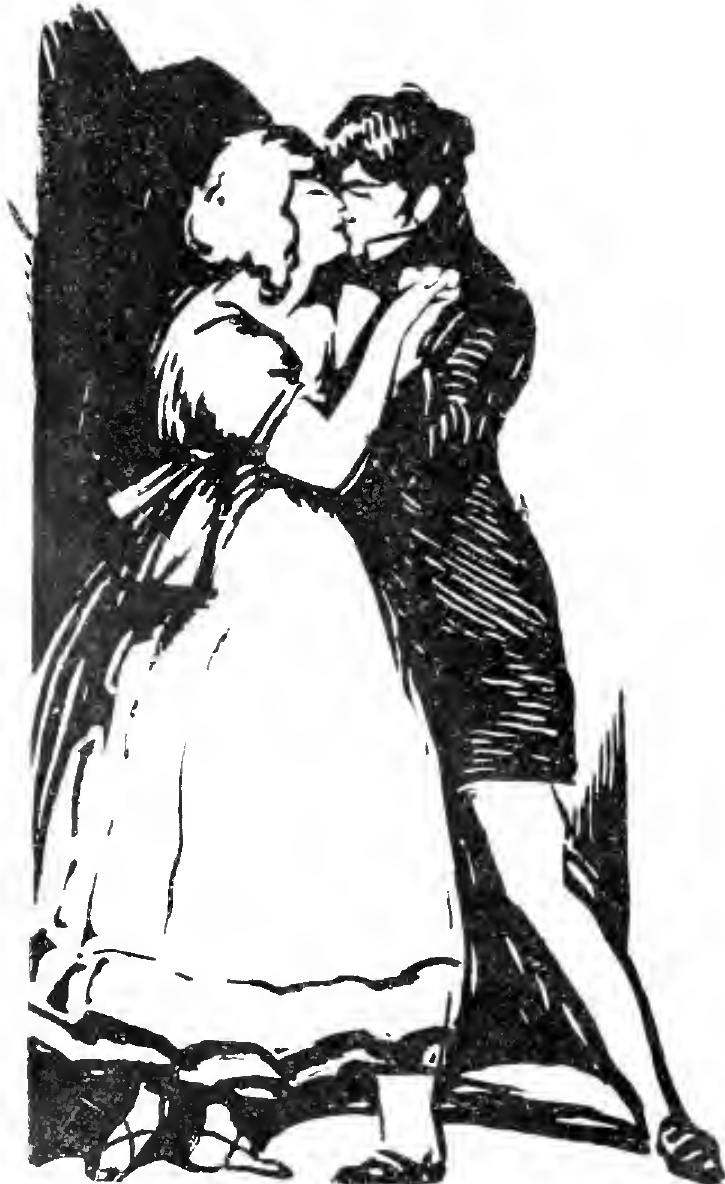
Julien did not notice this shade of meaning. This use of "thou" made him lose his head, or at least his suspicions vanished; he dared to clasp in his arms this girl so beautiful, who inspired him with so much respect. He was only half repulsed.
He had recourse to his memory, as formerly at Besançon with Amanda Binet, and recited several of the finest passages from La Nouvelle Héloïse.
"You have a man's heart," he was answered, without much listening to his speeches; "I wished to test your bravery, I confess. Your first suspicions and your resolution show you to be even more intrepid than I believed."
Mathilde was making an effort to use "thou"; she was evidently more attentive to this strange way of speaking than to the substance of what she was saying. This "thou," stripped of any tone of tenderness, gave Julien no pleasure; he was surprised at the absence of happiness; at last, in order to feel it, he had recourse to his reason. He saw himself esteemed by this young girl so proud, who never granted praise without qualification; with this reasoning he attained a happiness of self-esteem.
It was not, it is true, that voluptuousness of the soul that he had sometimes found with Madame de Rênal. There was nothing tender in his feelings of this first moment. It was the keenest happiness of ambition, and Julien was above all ambitious. He spoke again of the people he suspected, and of the precautions he had invented. As he spoke he was thinking of the means of profiting by his victory.
Mathilde, still greatly embarrassed, and who looked appalled at her own action, appeared enchanted to find a subject of conversation. They
spoke of the means of seeing each other again. Julien deliciously enjoyed the wit and bravery of which he again gave proof during this discussion. They had to deal with very clear-sighted people; little Tanbeau was certainly a spy, but Mathilde and he were not without adroitness either.
What could be easier than to meet in the library, to agree upon everything?
"I can appear," added Julien, "without exciting suspicion, in every part of the house, and almost in Madame de La Mole's room. It was absolutely necessary to pass through it to reach her daughter's. If Mathilde thought it better that he should always arrive by a ladder, it was with a heart drunk with joy that he would expose himself to this slight danger.
As he listened to him speak, Mathilde was shocked by this air of triumph. So he is my master! she said to herself. Already she was a prey to remorse. Her reason was horrified at the signal folly she had just committed. If she could, she would have annihilated herself and Julien. When at moments the strength of her will silenced her remorse, feelings of timidity and suffering modesty made her very unhappy. She had by no means foreseen the frightful state in which she found herself.
"I must speak to him, however," she said at last, "that is in keeping with propriety; one speaks to one's lover." And then, to fulfill a duty, and with a tenderness that was far more in the words she used than in the sound of her voice, she related the various resolutions she had taken with regard to him during the last few days.
She had decided that if he dared to come to her room with the help of the gardener's ladder, as had been prescribed to him, she would be wholly his. But never were such tender things said in a colder and more polite tone. Up to that point
this rendezvous had been icy. It was enough to make one hate love. What a moral lesson for a young imprudent girl! Is it worth while to lose one's future for such a moment?
After long uncertainties, which to a superficial observer might have seemed the effect of the most decided hatred, so hard was it for the feelings a woman owes to herself to yield even to so firm a will, Mathilde ended by being for him a charming mistress.
To tell the truth, these transports were a little deliberate. Passionate love was still rather a model that one imitated than a reality.
Mademoiselle de La Mole believed she was fulfilling a duty toward herself and toward her lover. The poor boy, she said to herself, has been altogether brave, he must be happy, or else it is I who lack character. But she would have wished to redeem at the price of an eternity of unhappiness the cruel necessity in which she found herself.
Despite the dreadful violence she was doing to herself, she was perfectly mistress of her words.
No regret, no reproach came to spoil this night, which seemed to Julien singular rather than happy. What a difference, great God! from his last twenty-four-hour stay at Verrières! These fine Paris manners have found the secret of spoiling everything, even love, he said to himself in his extreme injustice.
He gave himself up to these reflections standing in one of the great mahogany wardrobes into which he had been made to enter at the first sounds heard in the adjoining apartment, which was that of Madame de La Mole. Mathilde had followed her mother to mass; the women soon left the apartment, and Julien escaped easily before they returned to finish their tasks.
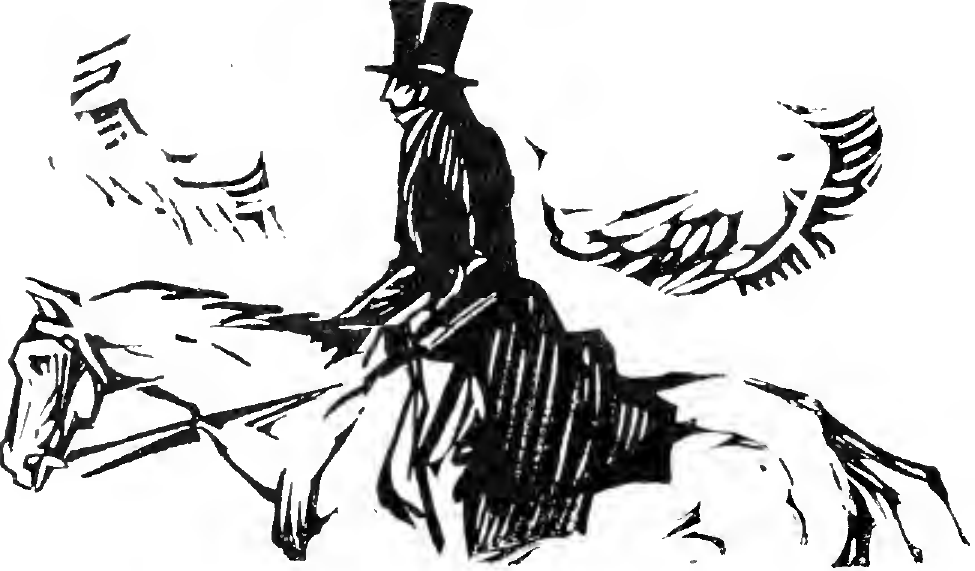
He mounted his horse and sought the most solitary spots of one of the forests near Paris. He was far more astonished than happy. The happiness that from time to time came to occupy his soul was like that of a young second lieutenant who, following some astonishing action, has just been named colonel outright by the commander-in-chief; he felt himself carried to an immense height. All that had been above him the day before was now at his side or beneath him. Little by little Julien's happiness increased as he drew farther away.
If there was nothing tender in his soul, it is because, however strange the word may appear, Mathilde, in all her conduct toward him, had accomplished a duty. There was nothing unforeseen for her in all the events of that night, except the unhappiness and the shame that she had found in place of that entire felicity of which novels speak.
Was I mistaken? Can it be that I do not love him? she said to herself.